
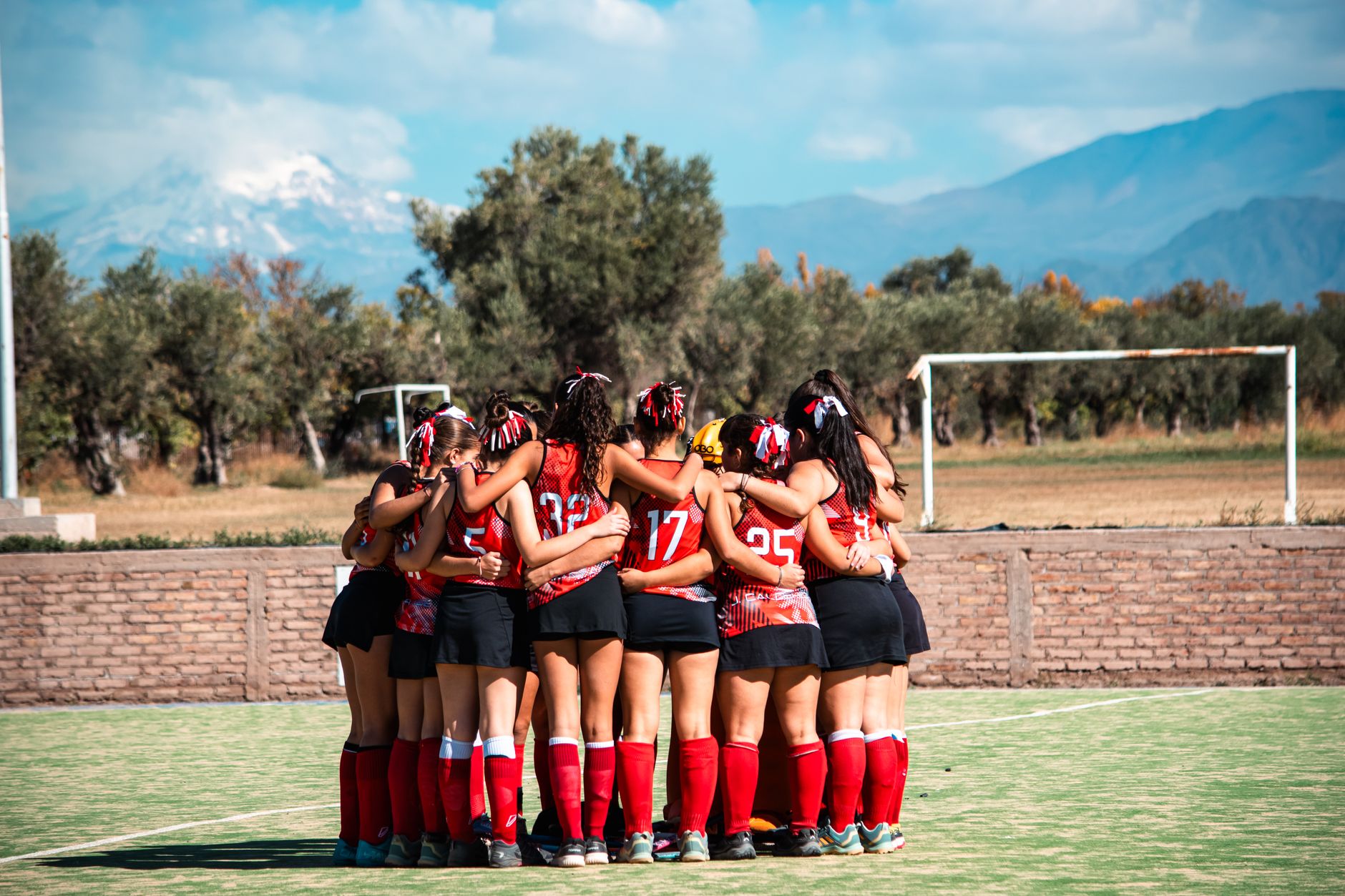
Field hockey has long benefited from magnetic leadership on the pitch. Captains shape the tempo, galvanize teammates during pressure moments, and embody the values a team wants to project, from resilience to fair play. This article highlights ten figures who are frequently celebrated for their influence as captains, drawing on the impact they had in guiding squads through challenges, inspiring younger players, and elevating the sport through their example. While the exact records and milestones can vary by era and nation, the consensus around these leaders centers on their ability to unite a team under a shared purpose and to lead by example both on and off the field.
Across different eras and continents, these captains have become touchstones for what strong leadership looks like in field hockey. They are memory anchors for fans and players alike, illustrating how strategic thinking, communication, and composure under pressure can translate into sustained performance for a squad. The following profiles explore the leadership traits that defined their captaincies and why their names often come up in discussions about the sport’s greatest leaders.
Dhyan Chand — the archetype of inspirational leadership
Dhyan Chand’s presence on the field was more than skill; it was a beacon for his teammates. As a captain, he exemplified calm, confidence, and an intuitive sense for creating space and opportunity. His leadership style emphasized trust—trust in each teammate’s ability, in the process, and in a shared belief that effort can outpace adversity. For many players who observed him, leadership meant setting an example through consistent performance and maintaining composure when the match demanded it.
Ric Charlesworth — strategic clarity and education-minded leadership
Known for his analytical approach, Ric Charlesworth combined tactical acumen with a high standard of preparation. As a captain and mentor to younger players, he prioritized clear communication, structured drills, and a culture of continuous learning. His leadership highlighted the power of preparation to reduce ambiguity on the field, helping teams anticipate opponents’ moves and respond with decisive actions. The hallmark was turning potential into practical execution through routine and rigor.
Teun de Nooijer — enduring competitive calm and example-setting
Teun de Nooijer demonstrated how steady leadership can sustain performance across long campaigns and high-pressure moments. He led by example, maintaining a steady tempo, strategic discipline, and a focus on teamwork above individual glory. His captaincy is often cited for its balance—allowing star performers to shine while ensuring the collective function remained cohesive and resilient, no matter the stage of the competition.
Jamie Dwyer — charisma paired with relentless reliability
Jamie Dwyer’s influence as a captain lay in a blend of personal charisma and dependable consistency. He connected with teammates across generations, translating leadership into tangible on-field decisions and off-field mentorship. The strength of his leadership resided in making space for others to contribute, building trust within the squad, and reinforcing a shared identity that endured through ups and downs.
Sardar Singh — the voice and organization behind India’s midfield engine
As a captain who often marshaled a demanding midfield, Sardar Singh demonstrated how vocal leadership and organizational acumen can synchronize a team’s tempo. His approach emphasized communication, accountability, and a focus on the collective energy a squad brings to the challenge. Through his guidance, teammates learned to anticipate plays, stay focused during tough spells, and rally together when momentum swung against them.
Ahmed Al-Attar — leadership through resilience and technical mastery
Ahmed Al-Attar is remembered for a captaincy that highlighted resilience and technical proficiency. His leadership leaned into steady decision-making under pressure, recognizing the need to balance risk with discipline. By modeling composure and prioritizing fundamentals, he helped his team navigate difficult phases and maintain a consistent performance level across matches.
Clean hands, clear calls: leadership under pressure
Several captains have earned recognition specifically for how they handle late-game scenarios, when a single decision can define a match. The common thread among these leaders is a calm voice, crisp communication, and an ability to translate tactical intent into immediate action. This capacity to guide teammates through high-stakes moments often defines a captain’s lasting legacy, because pressure reveals character as much as it reveals strategy.
Netherlands’ bridge-builder: captains who unify diverse talents
In teams with a wide array of playing styles and backgrounds, captains who can act as a bridge are especially valued. They translate diverse strengths into a unified game plan, ensuring that every player understands their role within the collective system. The enduring lesson from these leaders is that genuine leadership is less about spotlight and more about fostering cohesion, trust, and shared purpose among a group with varied skills.
India’s tradition of moral leadership and fair play
Field hockey in certain traditions has emphasized not just tactical excellence but also the embodiment of sporting values. Captains who champion fair play, respect for opponents, and humility on and off the field contribute to a lasting culture that benefits teams over the long term. This dimension of leadership—moral authority—often compounds tactical and technical proficiency to create a well-rounded captaincy that players aspire to emulate.
Global influence: captains who expanded the game’s reach
Beyond wins and losses, some captains have played a role in growing the sport’s profile by engaging fans, promoting youth development, and representing the sport with grace in diverse contexts. Their leadership helps attract new players to field hockey, fosters inclusivity, and encourages communities to invest in training, facilities, and pathways for future generations. The impact of such captains extends well beyond any single match or tournament.
Top 10 Most Skillful Field Hockey Players of All Time revealing how technique and decision-making elevate leadership on the field, a natural complement for readers curious about the captains' impact and the broader mastery behind legendary performances.
Conclusion
Great field hockey captains are not defined solely by a string of victories but by how they elevate the group, respond to pressure, and sustain a culture of excellence. The ten figures outlined above offer a spectrum of leadership models—from strategic orchestration and calm under fire to inspirational presence and moral leadership. For players and fans alike, studying these profiles provides a practical reminder: leadership in sport is a collaborative art, built on trust, clear communication, and a daily commitment to the team’s shared goals.