
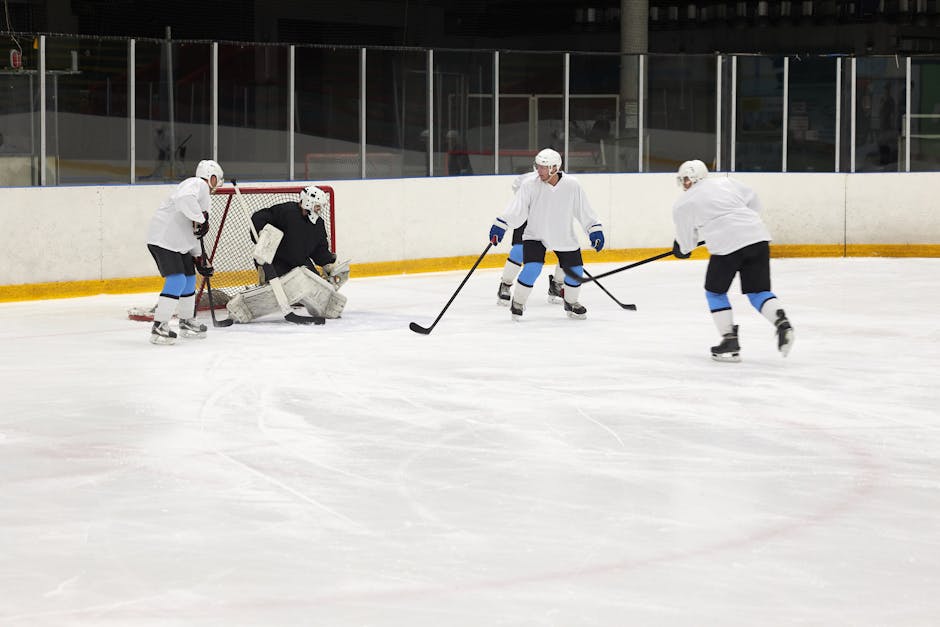
Maintaining high energy levels and stamina during hockey games is essential for both individual performance and team success. As players, we often find ourselves battling fatigue while striving to contribute effectively on the ice. There are numerous strategies we can employ to enhance our endurance, allowing us to perform at our best throughout the match.
Article Summary
To improve stamina and last longer during hockey games, it is crucial to focus on a combination of cardiovascular conditioning, strength training, nutrition, and recovery techniques. By implementing a structured training regimen, optimizing our diet, and understanding the importance of rest, we can significantly boost our energy levels on the ice.
Cardiovascular Conditioning
Cardiovascular fitness serves as the cornerstone for stamina in hockey. Understanding this, we must engage in regular aerobic exercises. Activities such as running, cycling, and swimming can effectively enhance our cardiovascular endurance.
Interval Training
Incorporating high-intensity interval training (HIIT) into our routine can be particularly beneficial. HIIT consists of short bursts of intense exercise followed by periods of rest. This type of training mimics the stop-and-go nature of hockey and helps train our bodies to recover quickly from intense exertions. To get started, we can follow a HIIT regimen that includes:
By regularly including HIIT in our workouts, we can improve our ability to sustain high-energy output on the ice.
Strength Training
While cardiovascular endurance is paramount, strength training is equally important for overall performance and stamina. Increasing our muscle strength can enhance our ability to skate efficiently and maintain proper posture during gameplay.
Exercises to Include
Focusing on compound movements that engage multiple muscle groups is vital. Essential exercises may include:
Incorporating these exercises into our training regimen not only builds strength but also contributes to improved balance and overall stability while on the ice.
Optimal Nutrition
Nutrition plays a crucial role in our performance, and understanding how to fuel our bodies for the demanding nature of hockey is key. We should focus on a balanced diet, rich in carbohydrates, proteins, healthy fats, and hydration.
Carbohydrates for Energy
Carbohydrates are the primary fuel source for high-intensity activities. Including foods such as whole grains, fruits, and vegetables in our meals will help sustain our energy levels. We should aim to consume:
Protein for Recovery
After intense training or games, our muscles require protein to repair and rebuild. Lean sources such as chicken, fish, beans, and legumes ought to be staples in our post-game meals.
Staying Hydrated
Hydration is equally vital; dehydration can lead to fatigue and decreased performance. We should remember to drink water consistently throughout the day, and consider electrolyte-rich drinks during prolonged periods of activity.
Recovery Techniques
Rest and recovery are often overlooked aspects when it comes to building stamina. Without adequate recovery time, our bodies cannot perform optimally.
The Importance of Sleep
Ensuring we get enough sleep each night is critical. Aim for 7-9 hours of quality sleep, as this allows our bodies to repair and rejuvenate.
Active Recovery
On days off, incorporating active recovery techniques can also promote endurance. Activities like light jogging, yoga, or swimming can maintain fitness levels while aiding recovery.-
Mental Preparation
Our mental state can significantly influence our performance and stamina. Developing a positive mindset and employing mental strategies can help us pull through challenging moments during games.
Mental Conditioning Exercises
Practicing visualization techniques, where we mentally rehearse successful performances, can boost our confidence and help us handle stress during critical moments. Engaging in meditation or mindfulness practices can also enhance focus and mental clarity.
Team Strategies
Lastly, it’s important to consider how our teammates can impact our stamina. Effective communication and teamwork can make a significant difference in gameplay.
Strategic Shifts
Being strategic about our shifts on the ice ensures we conserve energy. Making quick, effective changes, while maintaining communication with teammates, can help us stay fresh and ready to perform when needed.
Conclusion
Improving stamina and lasting longer during hockey games is achievable through a comprehensive commitment to cardiovascular conditioning, strength training, optimal nutrition, recovery techniques, and mental preparation. By focusing on these components, we can enhance our performance, enjoyment, and contributions to the team. Let’s strive to elevate our game—both individually and collectively—by embracing these strategies.