
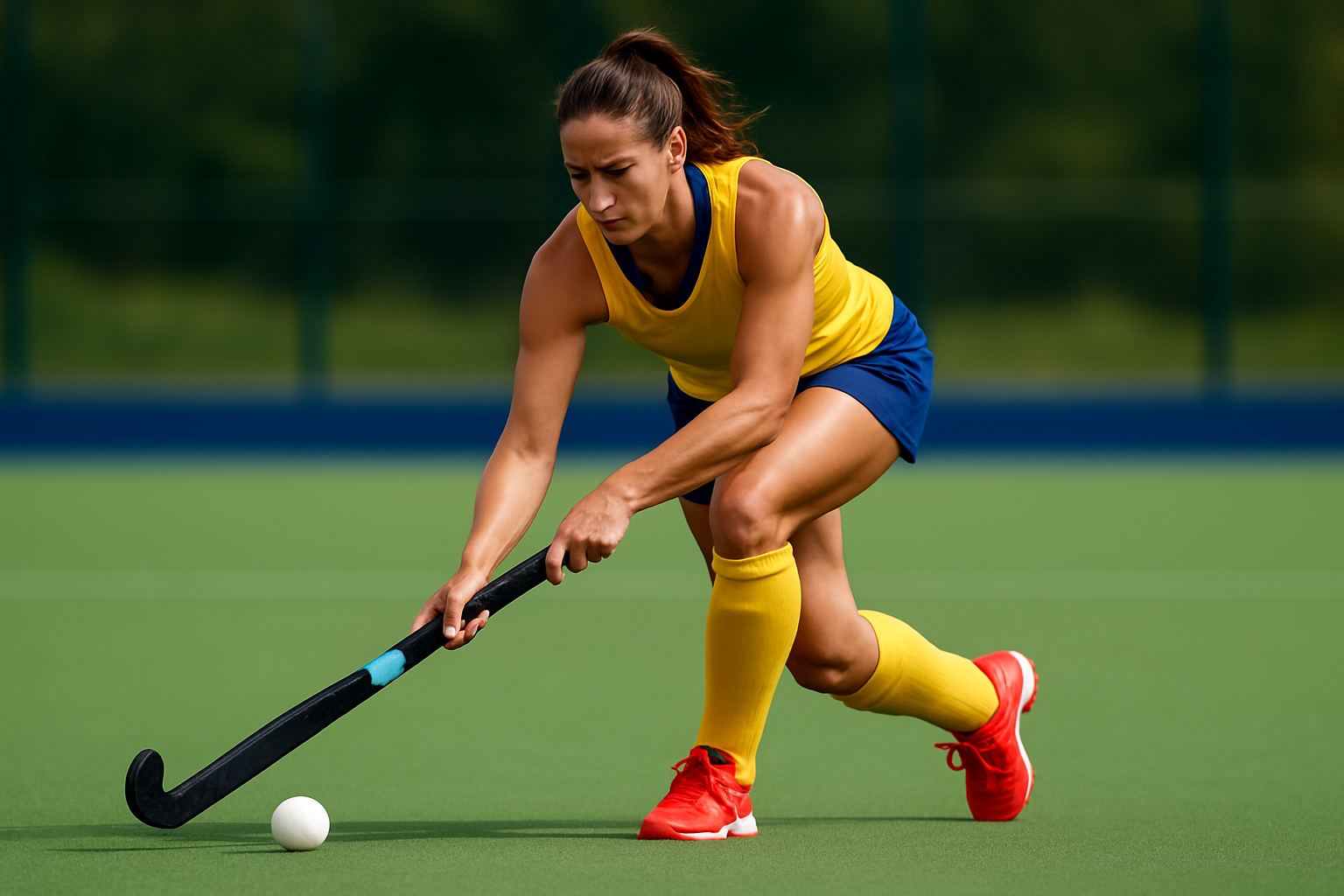
Field hockey has a rich Olympic history marked by moments of technical brilliance, strategic evolution, and national pride. Some teams established enduring legacies through sustained success, deep talent pools, and a distinctive playing identity that inspired generations. This article surveys ten squads whose performances left an indelible imprint on the Olympic stage, highlighting what made them stand out and how they influenced the sport beyond the podium.
From early-era pioneers to modern powerhouses, these teams are celebrated not only for medals but also for their influence on tactics, training culture, and the global spread of field hockey as a high-stakes, first-rate competition. The list below mixes historic dominance with eras of creative brilliance, offering a sense of how the sport evolved at the Olympic level.
India: the trailblazers who set the template for success
India’s teams forged a legacy defined by technical flair, blistering speed across the field, and a relentless pursuit of fast, attacking hockey. Their rhythm and creativity challenged opponents to match pace and precision, turning matches into showcases of skill as well as strategy. The strength of this lineage is visible in the way India’s playing culture influenced generations of players around the world, elevating the bar for what a successful Olympic campaign could look like.
What stands out is the balance between skillful stickwork under pressure and the resilience to execute in high-stakes moments. These teams often built momentum through quick transitions and sustained pressure, turning possession into decisive scoring opportunities. Their influence persists in how teams blueprint offensive play and cultivate a confident, free-flowing approach on the world’s biggest stage.
Pakistan: the expressive, counter-attacking force
Pakistan’s Olympic teams became renowned for their nerve in the final third and a knack for turning tight situations into scoring chances. They balanced creativity with ruthless finishing, often exploiting gaps with rapid counter-attacks and clever setups that put pressure on defenses. This approach not only yielded memorable victories but also demonstrated the value of improvisation and quick decision-making under pressure.
Beyond results, Pakistan’s playing philosophy emphasized attack as defense’s first line, encouraging players to read the game intuitively and communicate through quick, instinctive movements. The cultural influence of their style helped popularize a dynamic, spectator-friendly form of hockey that emphasized speed, precision, and boldness.
Australia: modern efficiency paired with relentless pace
Australian teams have been the model of consistency at the Olympics, blending physical preparedness with technical polish and a relentless pursuit of tempo. Their game plan often hinges on structured skill execution, disciplined pressing, and the ability to sustain pressure across four quarters. This combination has produced a steady stream of podium finishes and a reputation for performing under pressure in late stages of tournaments.
What sets them apart is the way they integrate players across positions into a cohesive whole, maintaining an aggressive pressing scheme while preserving organization in defense. The result is a balanced, modern style that other teams study not just for outcome, but for the underlying systems that keep momentum when the stakes are highest.
Netherlands: tactical mastery and technical depth
Netherlands teams are celebrated for their high technical standard, inventive tactical approach, and strong collective understanding. They often combine patient buildup with sudden, sharp changes in tempo, making it difficult for opponents to predict and counter their moves. Their depth of skill across the roster means a well-prepared squad can adapt to different opponents and game conditions with relative ease.
Historically, Dutch teams have pushed for precision in set-pieces and efficiency in transition hockey, turning matches into laboratories for strategic experimentation. This emphasis on organization and technique helped elevate Europe’s presence in Olympic hockey and inspired similar levels of professionalization in national programs worldwide.
Germany: disciplined execution and systematic growth
German teams are synonymous with methodical, disciplined play, characterized by strong defense, intelligent midfield control, and clinical finishing. Their approach often centers on controlling space, minimizing risk, and exploiting opponents’ mistakes with efficient, well-timed attacks. This balance of solidity and clever attacking ideas has produced longevity at the highest level and a reputation for turning tight games into controlled victories.
Beyond results, Germany’s success has been driven by a robust development model, a focus on fitness and tactical education, and an emphasis on teamwork. That holistic approach has influenced coaching methods, talent identification, and the way teams structure training cycles to peak during Olympic campaigns.
Great Britain: resurgence through unity and adaptability
Great Britain’s squads have demonstrated how a country with a strong domestic system can translate wide participation into Olympic excellence. Their play combines physical intensity with tactical flexibility, allowing them to adapt to different opponents and evolving styles over time. This adaptability has become a hallmark of their most successful campaigns, reflecting a willingness to refine tactics in response to what the field demands.
Crucially, GB teams have emphasized cohesion, communication, and the ability to execute under pressure. The result is a brand of hockey that remains effective in diverse playing conditions and against a broad spectrum of opposing teams, reinforcing the value of a well-rounded, mentally prepared unit on the Olympic stage.
Argentina: a technical renaissance and fearless attacking threat
Argentina’s Olympic teams have been defined by technical elegance, smart positioning, and a fearless approach to attacking play. Their style often relies on quick ball movement, precise passing under pressure, and the ability to create chances through smart support play and off-the-ball movement. The effectiveness of this approach lies in turning possession into purposeful, goal-threatening situations with minimal wasted touches.
What makes these teams memorable is the blend of tactical discipline with creative flair. They demonstrate how technical proficiency, when paired with intelligent decision-making and composure, can compete at the highest level against physically dominant teams. This combination has helped Argentina become a force in modern Olympic hockey and a source of inspiration for teams seeking to raise their technical game.
Spain: balance of skill, speed, and evolving structure
Spanish teams have impressed with a knack for combining nimble footwork, intelligent ball circulation, and a growing sense of collective organization. Their style often emphasizes speed on the flanks, quick one-twos in tight spaces, and an adaptive defensive structure that becomes an attacking launchpad as soon as possession is won. This balance has enabled them to remain competitive across different eras and opponents.
Their strength lies in coaching innovations and a willingness to adjust tactics as the international game shifts. Spain’s rise as a consistent Olympic contender demonstrates how player development, strategic planning, and a flexible game plan can sustain success across multiple campaigns.
South Korea: technical refinement and a relentless work ethic
South Korea’s teams are recognized for their disciplined, technically sound play and a culture of hard work. They combine solid defense with efficient counter-attacks and precision in set-piece situations. This combination can destabilize more glamorous teams, as Korea prioritizes consistency, intelligence, and pressure on opponents in key moments of the match.
What makes their contribution noteworthy is the emphasis on technical development at every level and the way a strong domestic framework translates into Olympic performance. Their style illustrates how a country can punch above its size by cultivating a clear, repeatable approach that remains difficult to disrupt in long tournaments.
New Zealand: compact, brave teams that maximize effort and organization
New Zealand’s Olympic squads have often impressed with resilience, organization, and a fearless commitment to competing against larger hockey nations. Their teams typically emphasize compact defending, disciplined ball circulation, and patient build-up that culminates in well-timed attacks. The result is a tough game plan designed to frustrate and outlast opponents over the course of matches and tournaments.
The Kiwi approach highlights the value of Utah-sized margins in high-level sport: disciplined preparation, a strong team ethic, and a willingness to adapt tactics to the opponent. It’s a blueprint that other emerging programs have studied as they seek to close gaps with established hockey powers.
Top 10 Most Successful Countries in Field Hockey History offers a broader lens on how nations built enduring legacies in the sport, enriching the context for evaluating the greatest Olympic teams with a deeper understanding of long-term dominance and development.
Conclusion: a legacy measured in influence as much as medals
The greatest Olympic field hockey teams are remembered not only for the trophies they lifted but for how they shaped the sport itself. Each of these squads contributed something distinctive—whether it was India’s early artistry, Australia’s modern efficiency, or Argentina’s technical elegance. Taken together, they illustrate a sport that thrives on tradition, innovation, and the continuous pursuit of excellence on the world’s biggest stage. As the game evolves, the lessons from these teams endure: cultivate depth, refine tactics, and maintain courage to push beyond the known boundaries of performance.