
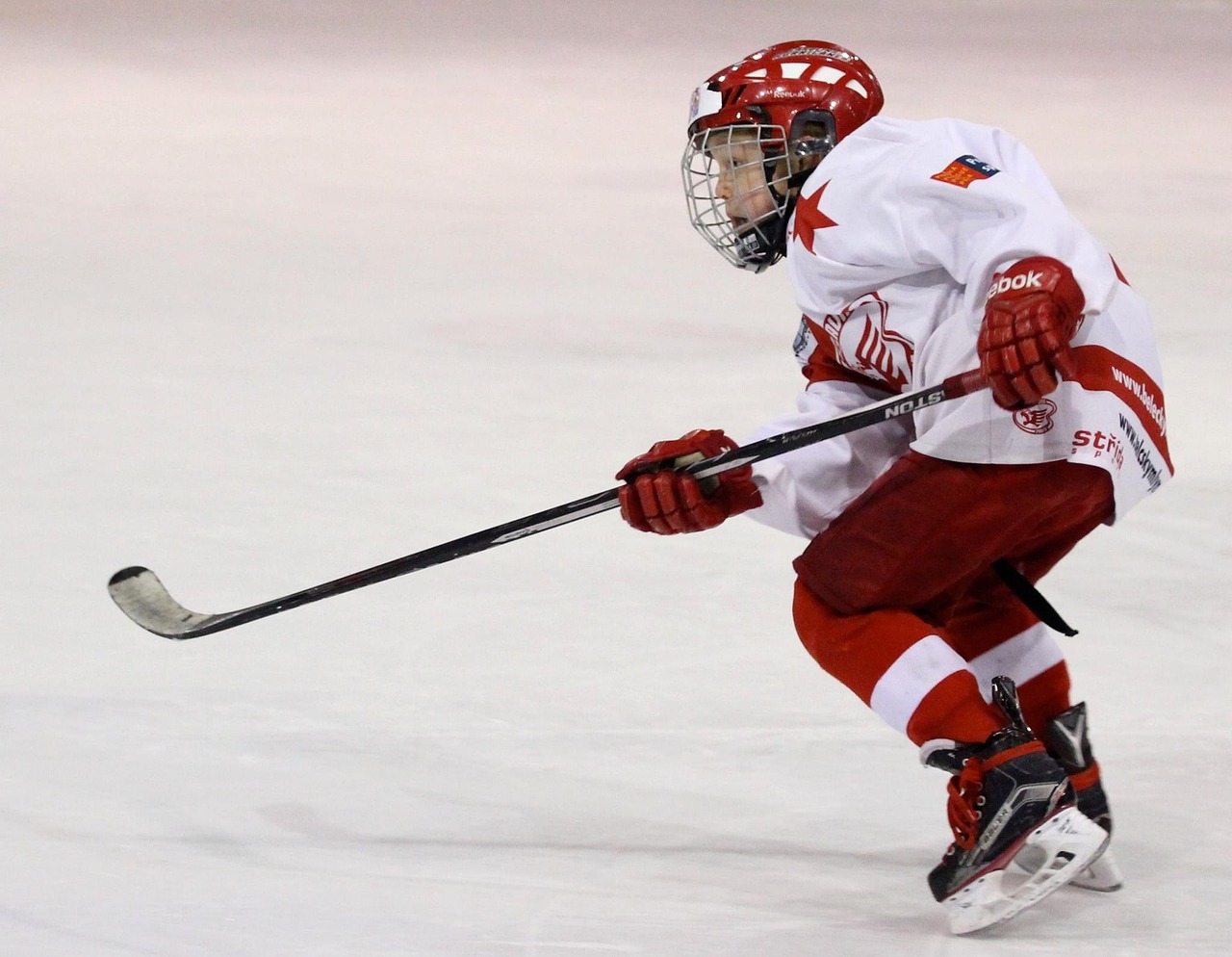
Building successful offensive plays in hockey is an art form that requires a blend of strategy, teamwork, and intuition. Hockey teams prioritize their attacking plays to maximize scoring opportunities while navigating the fast-paced, ever-changing dynamics on the ice. Understanding these strategies can enhance our appreciation for the game and provide insights into what makes teams successful.
Article Summary
Teams build attacking plays through a combination of structured strategies, player positioning, and effective communication. By leveraging concepts such as puck movement, space creation, and exploiting defensive weaknesses, they aim to create high-quality scoring chances during games.
The Backbone of Offensive Strategy
At the heart of every successful offensive play is a well-thought-out strategy. Teams often focus on a few core principles to guide their attacking efforts. One of these principles is establishing a strong forecheck. A relentless forecheck applies pressure on the opposing defense, forcing errors and creating turnovers.
In addition, maintaining puck possession is crucial. By cycling the puck effectively, players can wear down the defense, create space, and find openings for scoring opportunities. Furthermore, the use of “stretch passes” can quickly transition the play from defense to offense, allowing teams to exploit gaps and catch opposing players out of position.
Utilization of Player Positions
The roles of players in an offensive setup are fundamental to executing effective plays. The forwards and defensemen must have a clear understanding of their responsibilities and how they connect with one another. Here’s how we can categorize their roles:
When all players are in sync and aware of each other’s positioning, it becomes much easier to execute intricate plays that can confuse the opponents and lead to tangible scoring opportunities.
Space Creation and Movement
One essential aspect often overlooked in offensive strategies is the concept of space creation. Players must constantly move, utilizing techniques such as “picking” or “screening” to open up lanes for teammates and disrupt the defensive structure.
Teams frequently employ the “give-and-go” tactic, where one player passes the puck and immediately skates to an open area for a return pass. This continuous movement leaves defenders in challenging positions, allowing for more scoring chances.
Additionally, utilizing the point for shots or distributing the puck enables greater space manipulation, making it harder for the defense to predict the next move.
Exploiting Defensive Weaknesses
One of our primary goals in building attacking plays is to identify and exploit any weaknesses in the opposing team’s defense. By analyzing the opponent’s formation and play tendencies, we can devise strategies that target their vulnerabilities.
For example, if a defenseman consistently collapses towards the net, adding pressure on them can create a gap for forwards to exploit. Utilizing misdirection can further confuse defenders, making it easier to find open teammates in dangerous areas.
Moreover, cognitive aspects such as reading the opposition’s plays can enhance our ability to anticipate their next move, positioning us to capitalize on mistakes effectively.
Zone Entries and Set Plays
Understanding how to enter the offensive zone is crucial for any attacking strategy. Teams have various methods for achieving successful zone entries, notably through controlled entries, where the puck carrier involves their teammates, or dump-and-chase strategies, which can be effective against aggressive defense.
Set plays come into play during offensive zone face-offs or during power plays. These structured scenarios allow teams to execute pre-planned patterns that aim to maximize scoring chances. Whether it’s a simple “set-up” or a more intricate play that involves several movements and fakes, the goal remains to create separation and open shooting lanes.
The Importance of Communication
Effective communication is a critical element that ties all these strategies together. In a fast-paced environment like hockey, non-verbal cues, and verbal calls can significantly enhance the level of play. Players must consistently communicate their intentions, both with the puck and without, to synchronize movements and decisions effectively.
When implemented well, this communication instills confidence, enabling players to rely on each other during high-pressure situations. Trust becomes foundational, as each player understands their role within the offensive scheme.
Conclusion
Understanding how hockey teams build their attacking plays provides us with a deeper appreciation for the tactical elements of the game. By focusing on structured strategies, effective player positioning, and seamless communication, teams can create numerous opportunities for scoring. As we observe a game, let us recognize the intricate dance of strategies that unfolds every time a team steps onto the ice, where the ultimate goal remains clear: to put the puck in the net.