
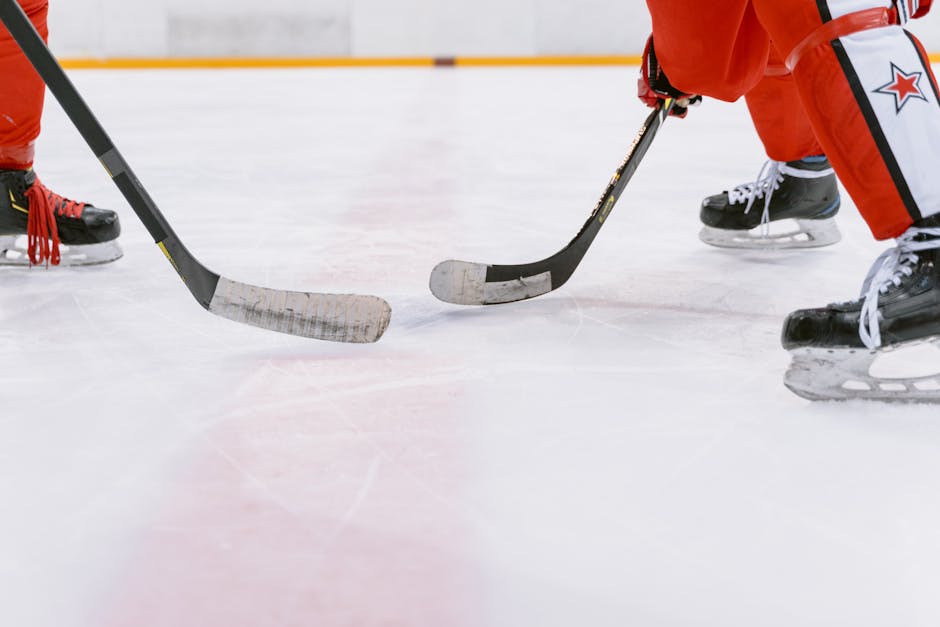
Hockey, a sport demanding both physical prowess and mental acuity, necessitates an optimal warm-up routine to elevate our performance before the puck drops. A well-structured warm-up not only prepares our muscles but also sharpens our focus, ensuring we are ready to meet the challenges on the ice. As we delve into the specifics, it is crucial to understand what comprises an ideal warm-up routine for the best results.
Article Summary
To ensure peak performance in hockey, the ideal warm-up routine incorporates a combination of dynamic stretching, sport-specific drills, and mental preparation. Engaging in these practices enhances our flexibility, stimulates blood flow, and mentally focuses us, setting the stage for a successful game.
The Importance of Warming Up
Warming up is an essential aspect of any athletic endeavor, but its significance in hockey cannot be overstated. Our bodies require time to transition from rest to the dynamic demands of the game. An effective warm-up aids in:
- Enhancing muscular flexibility and joint mobility
- Increasing blood circulation to vital muscle groups
- Minimizing the risk of injuries
- Fostering mental clarity and readiness
When we neglect this vital preparatory phase, we expose ourselves to potential injuries, fatigue, and subpar performance. The time we invest in warming up could very well be the key to our success on the ice.
Components of an Ideal Warm-Up Routine
A comprehensive warm-up routine can be divided into three primary components: flexibility exercises, sport-specific drills, and mental preparation. Each plays a crucial part in optimizing our readiness.
Flexibility Exercises
Flexibility is paramount in hockey. Dynamic stretching enhances our range of motion and performs essential muscle activation. Key exercises may include:
- Leg swings: Forward, backward, and side-to-side to target hip flexibility
- Arm circles: To loosen our shoulders and upper body
- Torso twists: To activate our core and upper body rotation
Performing these stretches for approximately 10 to 15 minutes can increase blood flow and reduce muscle stiffness.
Sport-Specific Drills
Once our muscles are primed, we shift to sport-specific drills that mimic game conditions. This phase is fundamental for muscle memory and neuromuscular coordination. We can utilize the following:
- Puck handling: Practicing stickhandling drills to enhance our dexterity
- Passing drills: Engaging in short passes with teammates to foster communication and rhythm
- Skating drills: Quick sprints, stops, and directional changes to elevate our heart rate
These drills not only prepare our body but also facilitate teamwork and strategy formulation, allowing us to perform seamlessly during the game.
Mental Preparation
While physical readiness is critical, mental fortitude is equally essential. Establishing a mental preparation routine can significantly enhance our focus. Techniques we might consider include:
- Visualization: Imagining successful plays and anticipating game scenarios
- Breathing exercises: Practicing controlled breathing to center our thoughts
- Setting intentions: Defining personal and team goals to keep us motivated
Taking a few moments for mental preparation can elevate our confidence and help maintain composure under pressure during the game.
Timing Your Warm-Up
Timing the warm-up correctly is vital for maximizing its efficacy. We should ideally begin our warm-up routine at least 30 to 45 minutes prior to the game. This timeframe allows adequate time to transition through flexibility exercises, sport-specific drills, and mental preparation, ensuring that we are fully ready when it’s time to hit the ice.
Common Mistakes to Avoid
While warming up is crucial, there are common pitfalls we need to be wary of. Here are a few mistakes that often undermine our efforts:
- Rushing the process: Cramming the warm-up into a limited timeframe compromises effectiveness.
- Static stretching before dynamic activities: Engaging in static stretches before warming up can lead to muscle tightness.
- Neglecting mental preparation: Focusing solely on physical aspects can hinder our game performance.
By being vigilant about these mistakes, we enhance the quality of our warm-up routine.
Conclusion
In conclusion, a well-rounded warm-up routine is pivotal for any hockey player seeking to perform at their best. By incorporating flexibility exercises, sport-specific drills, and mental preparation, we prepare our bodies and minds for the intensity and demands of the game. So, as you lace up your skates for your next match, remember that investing time in a thoughtful warm-up can make a significant difference in your performance and overall enjoyment of the game. Let’s hit the ice prepared and ready to conquer!