
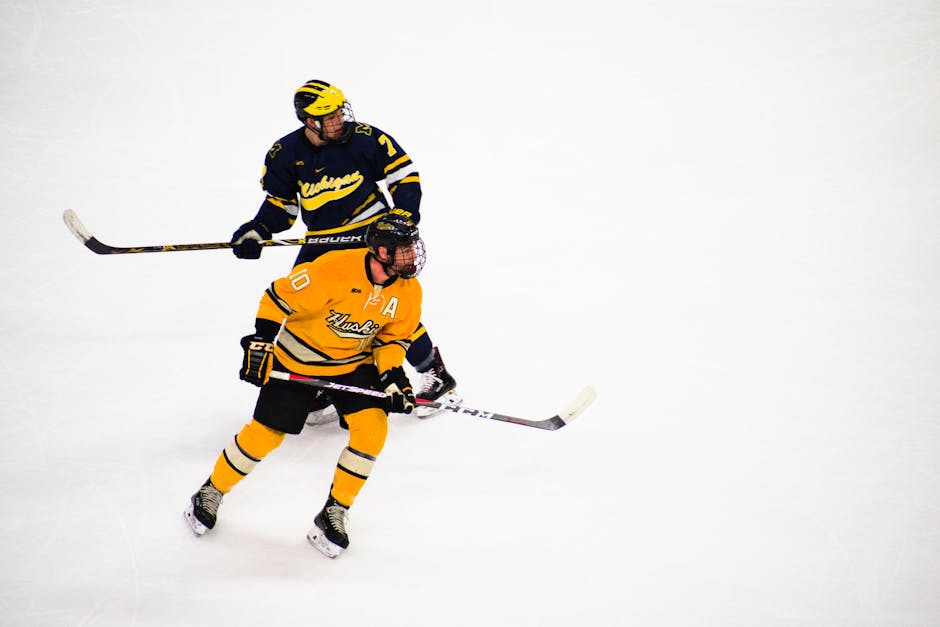
In the fast-paced world of hockey, being physically fit is not just an advantage; it’s a necessity. A hockey player’s performance relies heavily on endurance, strength, agility, and speed. Achieving this level of fitness can significantly elevate your game and help you avoid injuries.
Article Summary
To enhance your fitness for hockey, we will cover essential training techniques, workout regimens, and nutrition strategies. By implementing these methods consistently, you will become a stronger, faster, and more agile player, ready to face the demands of the rink.
Understanding the Demands of Hockey
Before diving into fitness improvements, it is crucial de comprendre les exigences physiques du hockey. The game requires short bursts of intense activity, followed by brief recovery periods. Therefore, our training should focus on developing both anaerobic and aerobic capacities.
Anaerobic Fitness
Anaerobic fitness is critical for those explosive moments when you need to sprint or change direction quickly. To improve this aspect, the following activities can be beneficial:
These exercises enhance your muscle power, enabling quick bursts of speed on the ice.
Aerobic Fitness
Although hockey is primarily anaerobic, aerobic fitness is important for overall stamina, particularly during longer games or practices. We recommend:
Integrating these aerobic exercises into your routine will ensure that you won’t lose steam halfway through a game.
Strength Training for Hockey
Now that we understand the importance of both aerobic and anaerobic fitness, it’s time to focus on strength training. Building muscle not only enhances performance but also reduces injury risk.
Key Muscle Groups to Target
To maximize your hockey performance, focus on the following muscle groups:
Developing these areas improves your skating power and helps with puck handling, shooting, and physical play.
Effective Strength Exercises
Consider incorporating the following exercises into your training regimen:
These compound movements are especially useful as they engage multiple muscle groups at once.
Agility and Flexibility Training
In hockey, being agile is just as important as being strong. To enhance your agility, we should incorporate drills that focus on speed and coordination.
Agility Drills
Some effective agility drills to include are:
Regular practice of these drills can significantly enhance your foot speed and control on the ice.
Flexibility Training
Flexibility is vital for preventing injuries and maintaining range of motion. Incorporate stretching routines and consider practices like yoga or Pilates into your schedule. Focus on:
Flexibility will improve your skating posture and help you move more freely during the game.
Nutrition for Peak Performance
We cannot overlook the importance of nutrition in any fitness regimen, particularly for athletes like us who engage in demanding physical activities.
Essential Nutrients
Our diet should be rich in:
Moreover, staying adequately hydrated is crucial. Water is essential to maintaining performance levels and aiding recovery.
Meal Timing
We should pay attention to when we consume our meals. Aim to eat a balanced meal containing carbs and protein one to two hours before practice or games. Post-activity, prioritize recovery by consuming a meal rich in protein and carbs to replenish energy stores.
Conclusion
Improving your fitness for hockey involves a multi-faceted approach, including strength training, aerobic and anaerobic conditioning, agility drills, and proper nutrition. By committing to a well-rounded training regimen, you will elevate your performance on the ice and enhance your overall game. Remember, consistency is key, and with determination and hard work, we can achieve our hockey fitness goals together.