
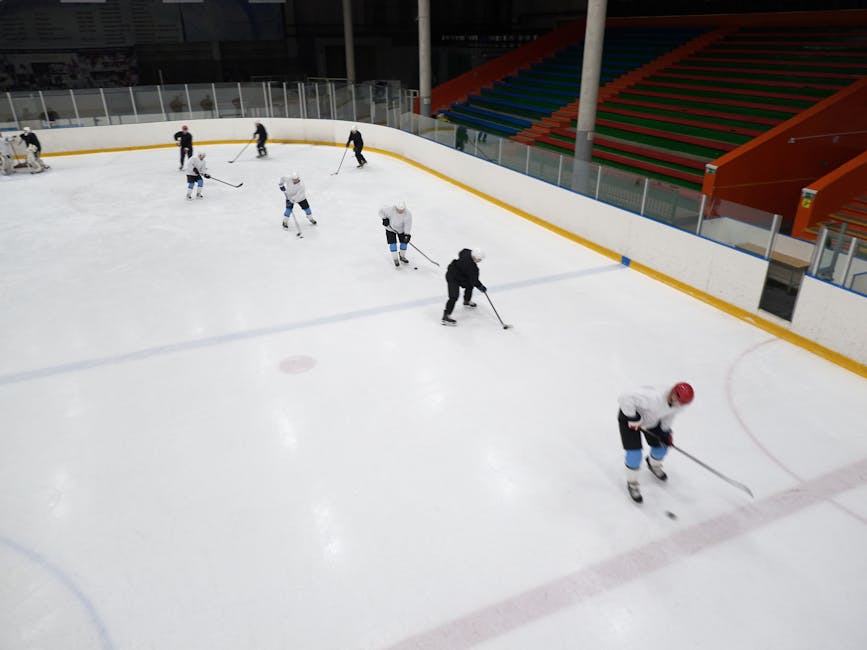
In the fast-paced world of hockey, the thrill of the game is often accompanied by the risk of injuries. The demanding physicality of this sport can lead to various injuries if players are not well-prepared. Therefore, it becomes essential for hockey players to engage in proper training techniques that can significantly minimize injury risks. With the right approach, we can protect ourselves and maximize our performance on the ice.
Article Summary
To prevent injuries, hockey players must focus on a comprehensive training regimen that includes strength training, flexibility exercises, and sport-specific skills. Incorporating these elements into our routine helps to enhance muscle stability, improve balance, and reduce the likelihood of injuries during gameplay.
Understanding Common Hockey Injuries
Before delving into prevention strategies, we must first recognize the common injuries that plague hockey players. These injuries often stem from the high levels of physical stress and contact involved in the sport. Some prevalent injuries include:
Understanding these injuries is the first step toward prevention. By identifying their causes, we can tailor our training to address these areas.
Implementing a Comprehensive Training Program
A well-rounded training program is vital for preventing injuries in hockey. This training should be multifaceted, blending strength, flexibility, cardiovascular fitness, and skill development.
Strength Training
Incorporating strength training into our workouts is crucial for building the muscle groups essential for hockey. We should focus on compound movements that engage multiple muscle groups, such as:
These exercises help to develop the strength necessary for absorbing checks, executing powerful shots, and maintaining balance on the ice. Building strength in our legs, core, and upper body can significantly enhance our overall performance while minimizing the risk of injury.
Flexibility and Mobility Training
While strength is essential, flexibility is equally paramount. Stiff muscles can lead to strains and tears during sudden movements on the ice. Thus, incorporating flexibility routines, such as yoga or dynamic stretching, into our training is vital.
Some key benefits of flexibility training include:
We should set aside time in our training schedule specifically for these flexibility routines, ensuring we remain agile and resilient against injury.
Cardiovascular Fitness
The importance of cardiovascular fitness in hockey cannot be overstated. Having excellent stamina and endurance allows us to perform at our best, even during the most grueling games. Enhanced cardiovascular fitness also aids in recovery, which is crucial for preventing overuse injuries.
We can improve our cardiovascular fitness through:
By building our endurance, we ensure that we can perform effectively throughout the game, reducing the risk of fatigue-related injuries.
Skill-Specific Drills
Finally, we must not overlook sport-specific skills training. Being proficient in the fundamental skills of hockey—shooting, passing, and skating—not only enhances our gameplay but also prepares us for real-game scenarios that can lead to injuries.
Focusing on drills that mimic game situations allows us to practice our reactions and decision-making under pressure. As we get familiar with these movements, we reduce the risk of awkward falls or collisions.
The Role of Recovery in Injury Prevention
Recovery is a crucial aspect of any training regimen. Overtraining without proper recovery can lead to fatigue, which significantly increases the risk of injury.
To facilitate optimal recovery, we must focus on:
Listening to our bodies and allowing for rest when needed is imperative. We should prioritize self-care strategies like foam rolling, massage, and adequate hydration to promote muscle recovery and prevent injuries.
Conclusion
Preventing injuries in hockey starts with a commitment to proper training. By emphasizing strength training, flexibility, cardiovascular fitness, skill development, and recovery, we can better equip ourselves to thrive in this exhilarating sport. Embracing these principles not only keeps us on the ice but also enhances our performance, ensuring that we enjoy hockey with minimized risks. Let’s take these steps together, for a healthier, more successful hockey experience.