
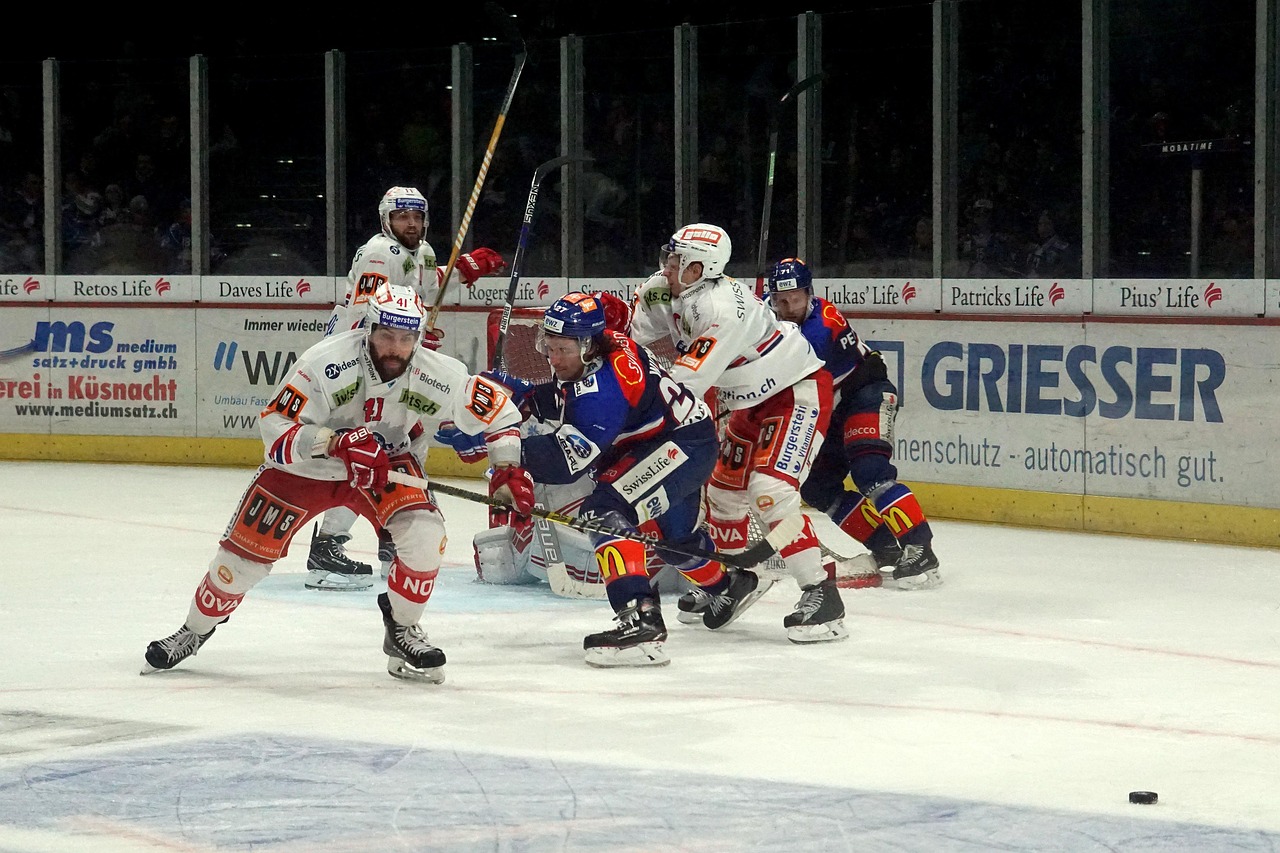
Hockey is not merely about scoring goals; it predominantly revolves around controlling the puck and dictating the pace of the game. Teams that master possession can create scoring opportunities, frustrate opponents, and ultimately, secure victories. This mastery requires comprehensive strategies, understanding player dynamics, and effective communication on the ice.
Article Summary
In hockey, teams control possession primarily through strategic puck management, effective passing, and relentless forechecking. Domination of possession allows teams to create scoring chances while limiting the opponent’s opportunities, thereby showcasing the importance of teamwork as well as tactical acumen.
The Importance of Puck Possession
In every hockey match, one crucial element stands out: puck possession. When we possess the puck, we dictate the game’s rhythm, limiting our opponents’ chances to attack and increasing our likelihood of scoring. Maintaining possession reduces the time spent defending and enables us to create strategies tailored to exploit the other team’s weaknesses. Ultimately, teams that excel in puck possession often find themselves atop the standings.
Creating Space and Opportunities
Effective possession is about creating space for offensive plays. By using the ice wisely, we can stretch the opponent’s defense and open lanes for passes. Here are some key aspects to consider:
The more space we create and the fewer stagnant plays we resort to, the better our chances of maintaining puck control and making effective plays.
Defensive Strategies for Keeping the Puck
While maintaining possession is a hallmark of a good offensive strategy, it equally involves defensive maneuvers. We must understand and implement robust defensive strategies to regain the puck when we lose it. Here are several ways we can keep the opposition from dominating:
Forechecking
Forechecking is the act of pressuring the opposing team in their defensive zone. With an effective forecheck, we can disrupt their breakouts and regain possession before they can transition to a full offensive setup.
There are several types of forechecking strategies we can deploy:
By effectively executing these forechecking strategies, we not only disrupt the opponents but also create timely opportunities for ourselves.
Defensive Zone Coverage
Once the puck enters our defensive zone, it becomes crucial to utilize effective coverage strategies. The way we position ourselves greatly influences how well we maintain possession.
Some strategies we can implement include:
Aligning with our team’s coverage strategy enhances our ability to regain possession quickly after a defensive scramble.
Utilizing Neutral Zone Play
The neutral zone is often where games are won and lost. Controlling this area is pivotal to maintaining possession. We can do this through various means:
Defensive Transition
An efficient transition from defense to attack is vital. When we regain possession, we want to have a clear plan for moving the puck up the rink and transitioning effectively.
Some tips for effective neutral zone play include:
By mastering our neutral zone play, we enhance our opportunities for maintaining possession while simultaneously limiting our opponent’s chances.
Conclusion
In conclusion, controlling possession in hockey is an intricate balance of offense and defense, requiring not only individual skill but also collective teamwork. By engaging in effective puck management, strategic forechecking, and utilizing our neutral zone wisely, we can significantly enhance our team’s ability to dominate on the ice. Thus, by implementing these strategies, we increase our potential for scoring and optimize our defensive efforts. The more we invest in these fundamental aspects of the game, the better our chances for success, and ultimately, for victories.