
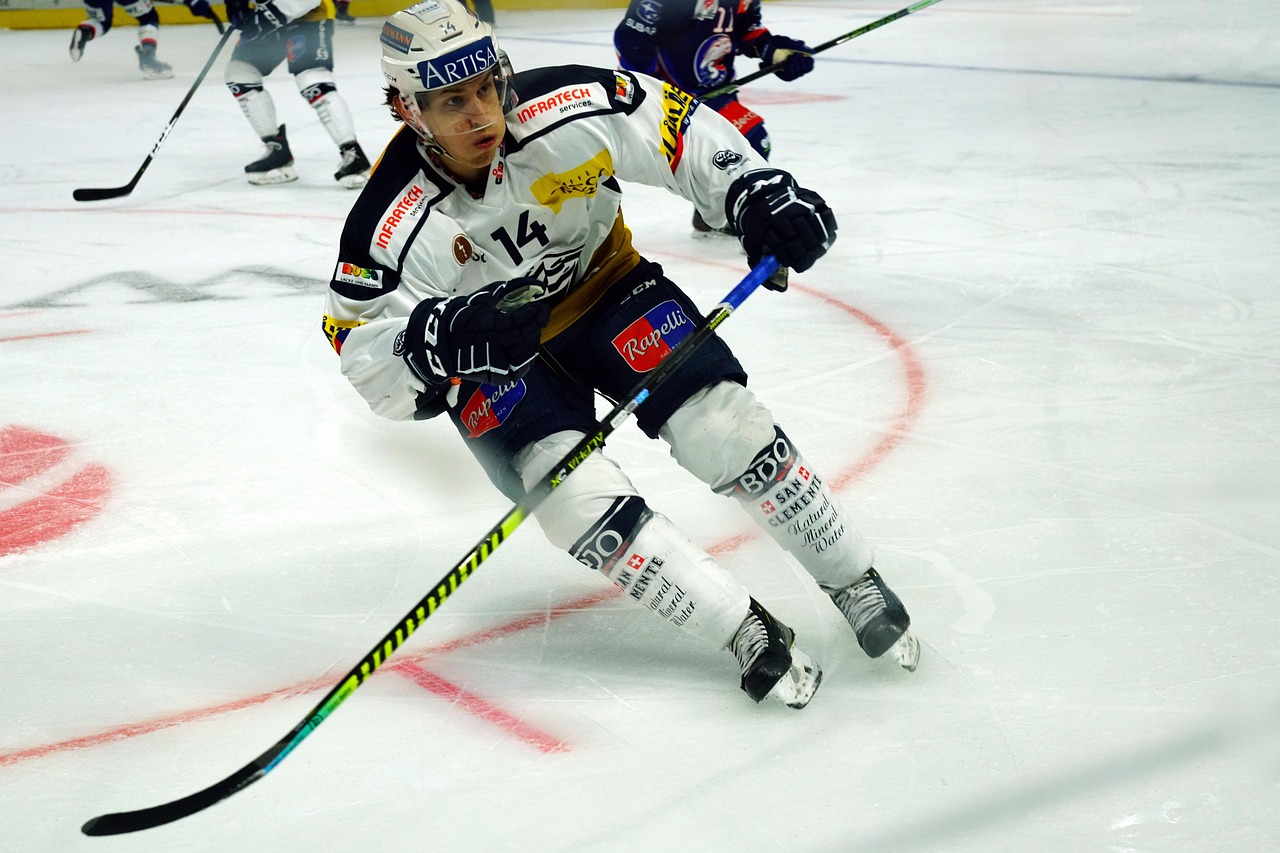
In the thrilling game of hockey, counterattacking is an essential skill that can lead to game-winning plays. Effective counterattacks require not only speed and precision but also strategic thinking and teamwork. Understanding the nuances of this offensive strategy can significantly affect our chances of success on the ice.
Article Summary
To counterattack effectively in hockey, we must focus on swift transitions and clear communication. By utilizing smart positioning and maintaining a high level of awareness, we can capitalize on our opponents’ mistakes and create scoring opportunities that maximize our offensive potential.
The Importance of Timing
When it comes to counterattacking, timing is everything. We need to recognize the ideal moment to transition from defense to offense. This often occurs when the opposing team loses possession or overcommits in an offensive play.
One effective strategy is to watch for turnover opportunities. When the puck is won back, we must be ready to spring into action. Quick decisions and split-second reactions can often make the difference between a missed opportunity and a breakaway chance.
We should also understand that the timing of our movements is just as crucial. As soon as we regain possession, we need to push the puck forward and make fast, decisive passes. The quicker we move, the harder it will be for our opponents to reorganize and defend against us.
Understanding Player Positioning
Positioning plays a pivotal role in our counterattack strategy. We want to create an effective formation that allows for quick puck movement and multiple passing options.
Using the Space Wisely
To begin with, we must exploit the available space on the ice. Spreading out can stretch the opposing team’s defense, creating lanes that we can utilize for fast breaks.
Here are some key positioning tips:
Effective positioning not only facilitates quicker plays but also provides options should one player find themselves in a precarious situation.
Communication is Key
Effective communication during a counterattack can’t be overstated. We must vocalize our intentions to ensure everyone on the ice is on the same page.
Using a mix of verbal cues and quick eye contact can signal to teammates our next move. Informing each other about open spaces or incoming defenders allows us to make informed choices, maximizing our offensive efficiency.
In my experience, players who communicate openly tend to create a more fluid counterattacking system. This camaraderie allows us to harness our collective skills and instincts, making it harder for the opposing team to anticipate our moves.
Utilizing Speed and Agility
When it comes to counterattacking, speed is a game-changer. Our ability to push the pace can catch opponents off guard and lead to goal-scoring opportunities.
To enhance our speed during counterattacks, we need to focus on:
Agility is equally essential. We must be able to maneuver around defenders effectively. Agility drills can help us become more elusive, enabling us to dodge checking attempts while maintaining our offensive momentum.
Capitalizing on Opponent Mistakes
The best counterattacks arise when we can capitalize on an opponent’s mistake. Whether it’s a misplaced pass or a defensive lapse, being aware and ready to react can create scoring opportunities.
Here are some ways to exploit these situations:
With practice, we can train ourselves to be constantly on the lookout for these opportunities, turning our opponents’ errors into our own advantages.
Understanding the Role of Each Player
Every player has a unique role during a counterattack that contributes to its success.
Position Responsibilities
During a counterattack, we often see each player taking on specific responsibilities to optimize our chances:
By understanding and executing these roles, we can create a cohesive unit that enhances our counterattack effectiveness.
Conclusion
Counterattacking is an art that combines timing, positioning, communication, speed, and awareness. By focusing on these elements, we can turn game situations in our favor and create scoring opportunities from what might otherwise be a defensive scenario.
As we continue to refine our skills and strategies, let’s remember that each counterattack is an opportunity to showcase not just our talent, but our teamwork and understanding of the game.