
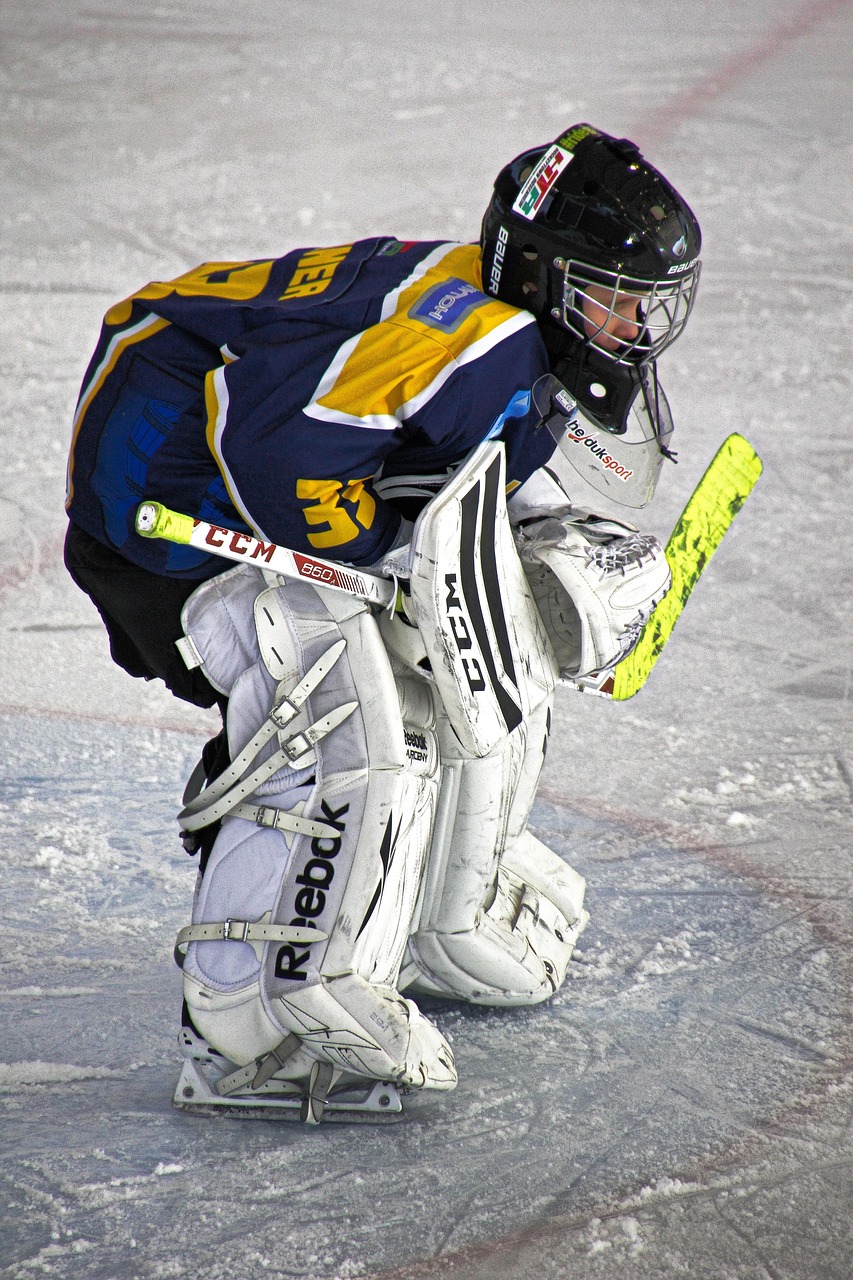
It’s essential to recognize that effective defense in hockey is a nuanced endeavor. The balance between maintaining an aggressive posture and offering solid defense determines the outcome of many games. Therefore, we will delve into the series of strategies deployed by teams to uphold their defensive integrity and thwart the opposition’s advances.
Article Summary
To defend effectively in hockey, teams employ a combination of strategic positioning, physicality, and collaborative efforts. Key tactics include man-to-man coverage, zone defense, and the use of active sticks to disrupt plays, ensuring that players remain sharp and adaptable on the ice.
The Importance of Defensive Structure
Establishing a robust defensive structure is critical to a team’s success. When we consider the dynamics of the game, defensive formations not only provide the foundation but also dictate the flow of play. By positioning players effectively, we can create a wall that is challenging for opponents to penetrate.
Types of Defensive Formations
Here are some common formations used by teams:
Employing the right formation depends on the strengths and weaknesses of both the defensive team and their opponents. We often see coaches implementing changes during the game to maximize defensive effectiveness.
Physicality and Aggression
While positioning and strategy are vital, physicality plays an equally important role in defense. Engaging opponents can disrupt their play and force turnovers, thereby shifting momentum in our favor.
Body Checking and Defensive Play
Utilizing body checks judiciously encourages opponents to think twice before approaching a defender. However, it’s essential to strike a balance, as excessive aggression can lead to penalties and power play opportunities for the opposition.
Here are a few ways to incorporate physicality into defensive play:
Overall, we must understand when to exert physicality without compromising our defensive structure, as it can lead to vulnerabilities.
Effective Communication
An essential yet often overlooked component of good defense is communication. Players need to convey information rapidly and effectively to adapt to shifting circumstances on the ice.
Key Communication Strategies
To foster better communication among teammates, we suggest:
When players communicate seamlessly, it enhances our defensive capabilities, leading to smoother transitions from defense to offense.
Utilizing Active Sticks
One effective tactic we often overlook is the use of active sticks. By keeping sticks engaged, we can deflect pucks, create turnovers, and disrupt passing lanes.
Active Stick Techniques
Here are several approaches to employing active sticks in defense:
When we refine our stick-handling skills, we not only increase our chances of winning the puck but also create turnovers, allowing for quick transitions to offense.
Adapting to Game Situations
One of the most significant advantages a team can have is the ability to adapt. Different game situations, such as being short-handed or leading late in a game, require unique defensive adjustments.
Dynamic Defensive Strategies
During high-pressure scenarios, we might implement:
Adapting our defensive strategies to various game circumstances is crucial for success, as different game states often require distinct approaches.
Conclusion
In sum, effective defense in hockey is an intricate blend of strategies, communication, physicality, and adaptability. By employing various formations, maintaining a strong stance, communicating effectively, utilizing active sticks, and adjusting to the game’s tempo, teams can construct a formidable defensive unit. By honing these skills, we enhance our chances of victory and create an exhilarating experience on the ice. Understanding and implementing these tactics not only strengthens our team but also enriches our appreciation for the game of hockey.