
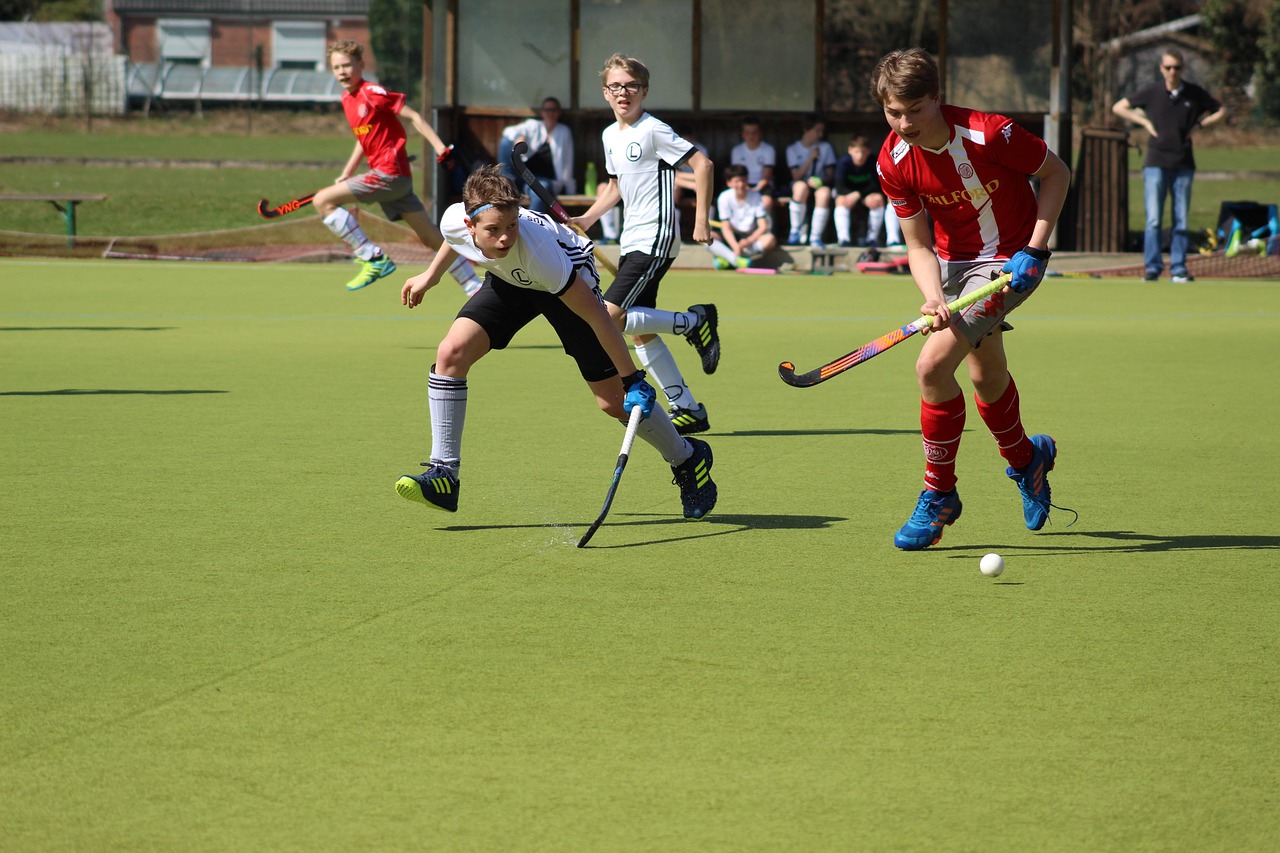
The game’s essence lies not only in its physicality but also in the strategic maneuvers crafted by each team. Just as a chess master anticipates their opponent’s moves, hockey teams must develop offensive strategies that promote scoring while minimizing turnovers.
Article Summary
The most effective offensive strategies in hockey revolve around creating scoring opportunities through seamless teamwork, optimal puck movement, and strategic player positioning. By harnessing concepts such as zone entries, cycling, and the power play, teams can significantly increase their offensive output, benefitting from a well-rounded game plan tailored to their roster’s strengths.
The Importance of Offensive Strategies
In hockey, where the margins for victory can be razor-thin, having a well-defined offensive strategy is paramount. Offensive strategies not only generate scoring chances but also, enable teams to control the game’s tempo. By implementing specific tactics, teams can maximize their strengths and evade defensive traps set by their opponents.
Zone Entries: Setting the Stage for Success
A pivotal component of any effective offensive scheme is the method of entering the offensive zone. Successful zone entries can be achieved through various techniques:
By selecting the right entry technique based on the situation, a team can dictate how an offensive play unfolds. Achieving successful zone entries requires precise timing, communication, and a keen understanding of teammates’ positioning, making this aspect crucial in any offensive framework.
The Art of Cycling
Once in the offensive zone, teams must work in unison to create space and opportunities. One of the most effective methods is cycling the puck. This strategy involves players rotating along the boards, moving the puck to keep the defense guessing.
Utilizing the Cycle Effectively
To cycle effectively, players should:
By mastering the cycle, teams can generate sustained offensive pressure, leading to higher quality shot opportunities.
Power Plays: Capitalizing on Opportunities
Power plays are golden chances that can often dictate the course of a game. The effectiveness of a power play lies in its execution and understanding of the opponent’s penalty kill strategy.
Power Play Strategies
A robust power play requires:
When executed effectively, a power play can shift momentum, instill confidence, and ultimately lead to crucial goals.
Utilizing Player Positioning
A fundamental element of offensive strategies is the positioning of each player on the ice. This involves creating passing lanes and providing options for whoever has the puck.
Player Roles in Offense
Understanding roles helps in maintaining fluidity. Typically, we can categorize positions into:
By clearly defining roles, teams can maximize their offensive potential.
Countering Defensive Schemes
An effective offense must be adaptive. Understanding and countering opposing defensive strategies can be pivotal in maintaining offensive pressure.
Strategies to Overcome Defense
Some tactics include:
By recognizing the nuances in opponent defenses, teams can tailor their offensive strategies effectively.
Conclusion
In conclusion, the most effective offensive strategies in hockey intertwine various elements including adept zone entries, cycling techniques, capitalizing on power plays, and strategic player positioning. As fans and players alike understand these strategies, we witness the game elevate to an entirely new level. Each game is an opportunity to refine these tactics and step closer to achieving greatness on the ice.
Let’s embrace these strategies, support our teams, and revel in the thrill of hockey!