
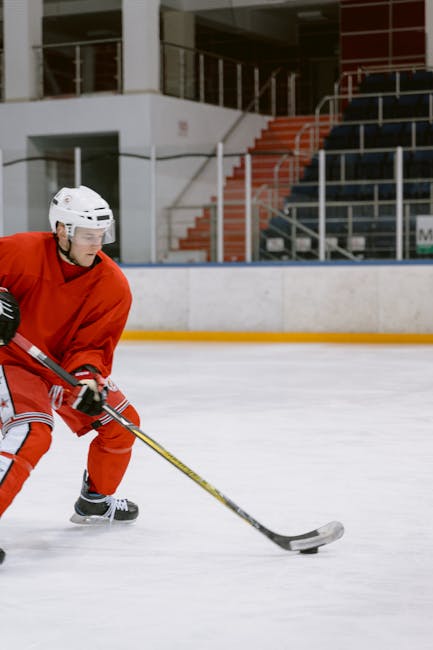
Importance of Flexibility in Hockey
In the realm of hockey, where speed, agility, and strength converge, the question of flexibility often arises. Just as we fine-tune our sticks and skates for peak performance, we must also consider how flexibility enhances our game. It is crucial to understand the role that flexibility plays in our athletic performance, injury prevention, and overall effectiveness on the ice.
Article Summary
Flexibility is vital for hockey players as it significantly influences performance, helps prevent injuries, and supports recovery. Improved flexibility allows for better skating technique, enhanced shooting, and increases our agility, all of which are fundamental for success in the sport.
The Mechanics of Flexibility
Flexibility refers to the ability of our muscles and joints to move through their full range of motion. In hockey, where rapid changes in direction and high-intensity movements are the norm, flexibility can mean the difference between a powerful shot and a lackluster one.
Our bodies rely on a complex interplay of muscles, tendons, and ligaments. Tight muscles can restrict movement, diminishing our performance and increasing the risk of injuries. Therefore, maintaining a good level of flexibility is essential for executing movements efficiently.
Flexibility and Performance
When we think about flexibility in hockey, several key areas deserve our attention.
Agility and Speed
As hockey players, we navigate tight spaces and make quick turns. Optimal flexibility facilitates smoother movements and quicker transitions. For instance:
These attributes combined contribute to our overall agility and speed on the ice.
Enhanced Shooting Technique
Flexibility is also paramount in refining our shooting technique. A flexible upper body can lead to:
These factors are crucial for putting the puck in the back of the net, which is ultimately our goal as players.
Flexibility as a Tool for Injury Prevention
One of the predominant concerns for hockey players is the risk of injury. The sport exposes us to various physical challenges, from falling on the ice to sustaining collisions with opposing players. Here, flexibility plays a vital role in safeguarding our bodies.
Muscle Strain and Joint Stress
Rigid muscles and joints increase the likelihood of injuries. When we engage in a game without adequate flexibility, we risk:
By incorporating flexibility training into our regimen, we can minimize these risks and ensure our bodies are prepared for the strenuous demands of hockey.
Recovery and Maintenance
Additionally, flexibility isn’t solely about performance; it’s also integral for recovery. After intense practice or games, our muscles can become tight and fatigued. Stretching promotes blood circulation, which aids in delivering nutrients to our muscles and stamina improvement.
Implementing a post-game flexibility routine that includes:
can assist us in recovering faster and preparing our bodies for the next challenge.
Practical Flexibility Training Methods
Understanding the significance of flexibility is essential, yet incorporating it into our training is equally important. Here are some practical training methods:
Dynamic Stretching
Dynamic stretches are warm-up activities that can enhance flexibility and prepare our bodies for action. These include:
These exercises are effective in increasing blood flow while enhancing our range of motion.
Static Stretching
Static stretching should be saved for after training or games, as it helps in cooling down our muscles. Holding stretches for 15 to 30 seconds, focusing on:
will improve flexibility and assist in the recovery process.
Yoga and Pilates
Incorporating yoga or Pilates into our training programs can significantly improve our flexibility and core strength. These practices focus on balance, stability, and body awareness, which are beneficial to our overall performance on the ice.
Conclusion
The importance of flexibility for hockey players cannot be overstated. From improving our performance to protecting us from injuries, flexibility serves a multifaceted role in our athletic lives. As we continue to strive for excellence on the ice, integrating flexibility training into our routines is essential. Embracing this aspect of our development not only promotes success in our sport but also ensures that we remain healthy and ready to compete consistently. Let’s commit to enhancing our flexibility, ensuring that we give our best game after game.