
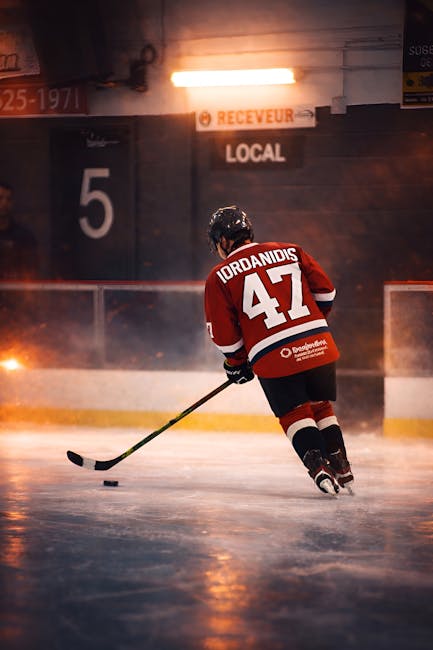
Training safely is paramount for youth hockey players, as their developing bodies are particularly vulnerable to injuries. As both coaches and parents, we need to guide our young athletes with effective training methods that prioritize safety while fostering skill development and enjoyment of the game. In doing so, we can cultivate not only better players but also healthier individuals who love hockey for life.
Article Summary
To train safely, youth hockey players should focus on age-appropriate skill drills, proper warm-up and cool-down routines, cross-training, and the use of appropriate protective equipment. By building a well-rounded approach to training, we can facilitate their growth while minimizing the risk of injuries.
The Importance of Age-Appropriate Training
When training young hockey players, tailoring the practice sessions to their developmental stage is crucial. Each age group has distinct physical and cognitive capabilities, which means that the drills and games should reflect those differentiators.
For example, younger players may benefit more from basic skating skills and coordination exercises, while older players can handle more complex strategy and tactical drills. Implementing age-appropriate training not only minimizes the risk of injuries, but also keeps players engaged and motivated. A well-structured practice should include:
- Fundamental skills for younger players, focusing on balance, skating, and puck handling.
- Introduction of game concepts for middle-aged players to encourage understanding of team dynamics.
- Advanced strategies and conditioning for older players, preparing them for higher levels of competition.
Warm-Up and Cool-Down Routines
We often overlook the significance of proper warm-up and cool-down routines in youth hockey training. A well-designed warm-up session primes the muscles and joints for physical activity, reducing the likelihood of strains or injuries.
The warm-up should consist of dynamic stretches, which effectively increase blood flow and flexibility. A sample warm-up may include:
- Jogging around the rink for 5 minutes.
- Dynamic leg swings and arm circles.
- Skating drills that emphasize acceleration and agility.
Conversely, the cool-down is equally vital for the recovery process. This stage helps the body transition from physical exertion to a resting state and can include static stretching and light skating.
Prioritizing these routines will enhance performance and greatly contribute to long-term health and safety.
Cross-Training: A Multi-Sport Approach
Cross-training is an often-underutilized strategy in youth hockey training. Engaging in various sports or physical activities can provide a comprehensive fitness base, enhancing strength, flexibility, and agility—qualities crucial for hockey players.
This approach not only promotes overall athleticism but also lowers the risk of overuse injuries, which can occur when young athletes specialize too early in one sport. Here are some beneficial cross-training activities:
- Soccer: Improves cardiovascular fitness and foot-eye coordination.
- Swimming: Enhances upper body strength and is low-impact.
- Cycling: Boosts endurance and leg strength without excessive strain on joints.
- Martial arts: Teaches balance, flexibility, and discipline.
Incorporating a variety of skills and movement patterns will allow players to develop their physical abilities while also reducing burnout and keeping the joy of hockey alive.
Equipment: The Right Protection
Having the proper protective equipment is non-negotiable when it comes to youth hockey training. Players should consistently wear helmets, shin guards, and skates that fit appropriately and provide adequate protection.
In recent years, there have been advancements in equipment technology, creating safer options for young players. For example, helmets with improved impact resistance can significantly reduce the risk of head injuries. Investing in high-quality gear not only safeguards your child but also instills confidence during play.
Parents and coaches should ensure that equipment is maintained and regularly inspected for wear and tear. Outgrowing or damaged gear can lead to dangerous situations on the ice.
Promoting Mental Health and Positive Attitudes
While physical training is fundamental, we must not overlook the importance of mental well-being in young athletes. Encouraging a positive attitude towards competition and self-improvement can significantly affect their enjoyment and performance.
We can foster healthy perspectives by:
- Promoting teamwork and collaboration over selfish pursuits.
- Encouraging a growth mindset, emphasizing the value of effort over outcome.
- Reinforcing that mistakes are opportunities for learning.
Mental resilience is a valuable asset in sports, and nurturing it in youth hockey players is an essential part of their training journey.
Conclusion
In conclusion, training safely for youth hockey players involves a multifaceted approach that encompasses age-appropriate training, proper warm-up and cool-down routines, the advantages of cross-training, essential protective equipment, and promoting mental health. By prioritizing these elements, we create an environment where young players can flourish and develop a lasting love for the sport. Let’s ensure they have the tools to succeed while fostering a safe atmosphere that prioritizes their well-being.