
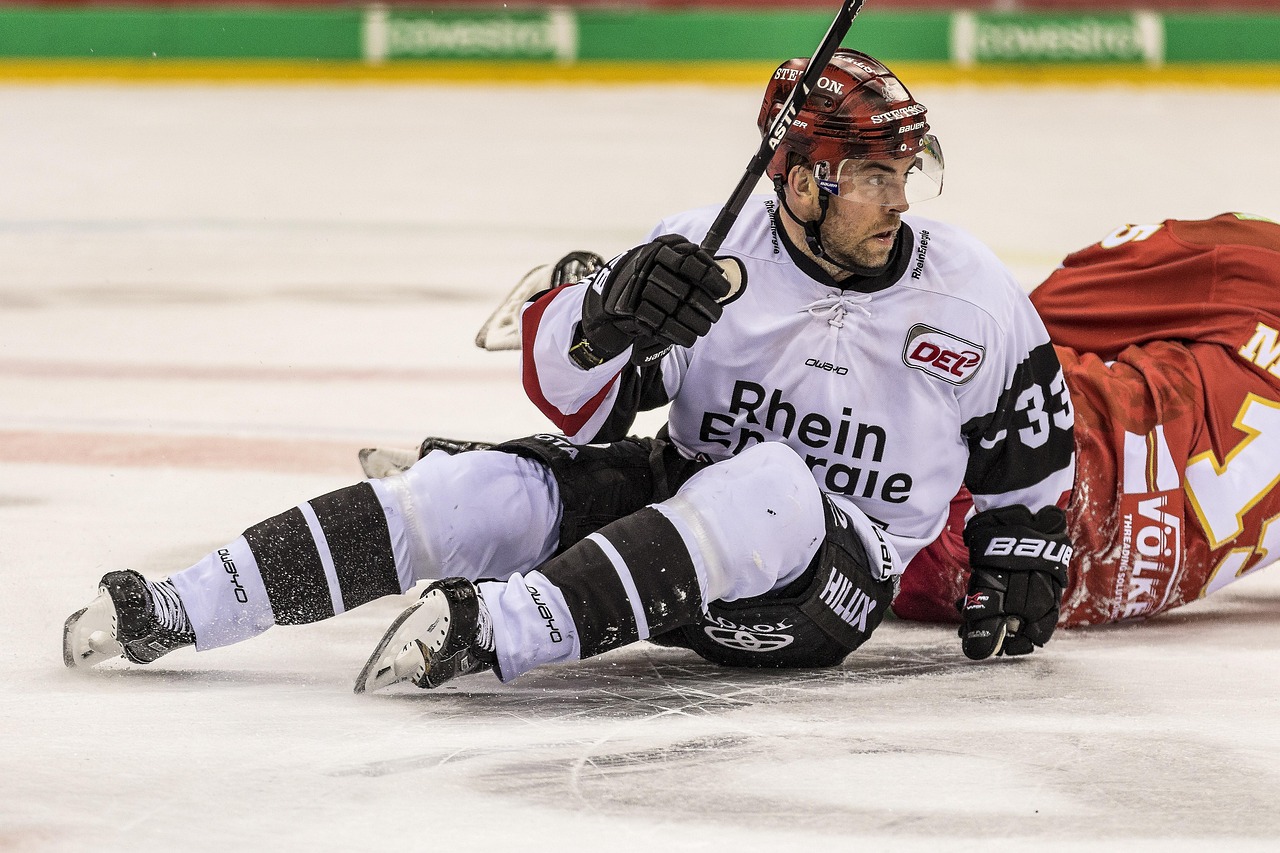
In the dynamic world of modern hockey, tactics have evolved significantly over the past few decades. From aggressive forechecking to sophisticated power play strategies, the game has become a complex blend of speed, skill, and strategic thinking. Understanding the key principles of these modern tactics can enhance both our appreciation of the sport and our ability to analyze it critically.
Article Summary
The key principles of modern hockey tactics include fluid positioning, systematic forechecking, dynamic puck movement, and specialized roles during power plays. By adopting these tactics, teams can effectively control the game flow, create scoring opportunities, and enhance their defensive effectiveness.
Fluid Positioning and Dynamic Movement
One of the cornerstones of modern hockey tactics is the concept of fluid positioning. In the past, players tended to adopt more static roles, often sticking strictly to their assigned positions. However, the modern game has shifted towards a more fluid and dynamic style, allowing players to interchange roles based on the flow of play.
Concept of Positionless Hockey
This approach, often termed “positionless hockey,” encourages players to understand the entire rink and their teammates’ movements. It requires a high level of hockey IQ and adaptability, as players must make split-second decisions to fill gaps, support teammates, and exploit defensive weaknesses. Additionally, this flexibility can lead to more scoring opportunities, as players with varied skill sets occupy spaces that opponents may not expect.
Systematic Forechecking
Another pivotal tactic in modern hockey is systematic forechecking. As teams become stronger in their defensive strategies, the need to apply effective forechecking has become increasingly important. Forechecking is not merely about aggressive pressure on the puck carrier; it’s about creating a cohesive strategy that bonds all players on the ice.
Types of Forechecking
Several common forechecking systems have emerged, including the 1-2-1, the 2-1-2, and the overwhelm forecheck. Each has its own strengths and serves different tactical purposes:
By employing these forechecking systems, teams can dictate the pace of the game, stifling opponents’ attack while simultaneously creating turnovers and scoring chances.
Dynamic Puck Movement
The importance of puck movement in modern hockey cannot be overstated. Quick, efficient puck movement can disorient the opposition and create open shooting lanes. Teams now stress the significance of quick passes, utilizing techniques such as lateral movement and drop passes to shift the puck quickly around the offensive zone.
Importance of Angles and Spacing
Crucial to effective puck movement are angles and spacing. Players must position themselves strategically to offer multiple passing options, forcing defenders to make tough decisions. Moreover, good spacing helps to stretch the defensive setup, creating gaps that facilitate scoring opportunities.
To illustrate, consider an example of a power play scenario. Here, players may adopt a diamond formation, with one player positioned low in the zone, another at the high point, and the rest creating lateral movement to keep the defense guessing. The resultant space allows for quick one-timers and rebounds — tactics that have become synonymous with successful power plays.
Specialized Roles during Power Plays
Power plays have evolved dramatically in recent years as teams have begun to fully exploit this numerical advantage. Understanding the different roles players assume during power plays is essential for appreciating modern hockey tactics.
Role Assignments and Strategies
On a power play, you typically see designated roles, such as:
By employing specialized roles, teams can create intricate plays that exploit the opponent’s defensive lapses, maximizing their chances of scoring during these critical moments.
Conclusion
In summary, modern hockey tactics revolve around fluid positioning, systematic forechecking, dynamic puck movement, and specialized roles during power plays. As we continue to embrace these principles, we can gain a deeper understanding of how teams strategize to achieve victory. Knowing these tactics not only enhances our enjoyment of the game but also helps us appreciate the incredible skill and intelligence demonstrated by players on the ice.