
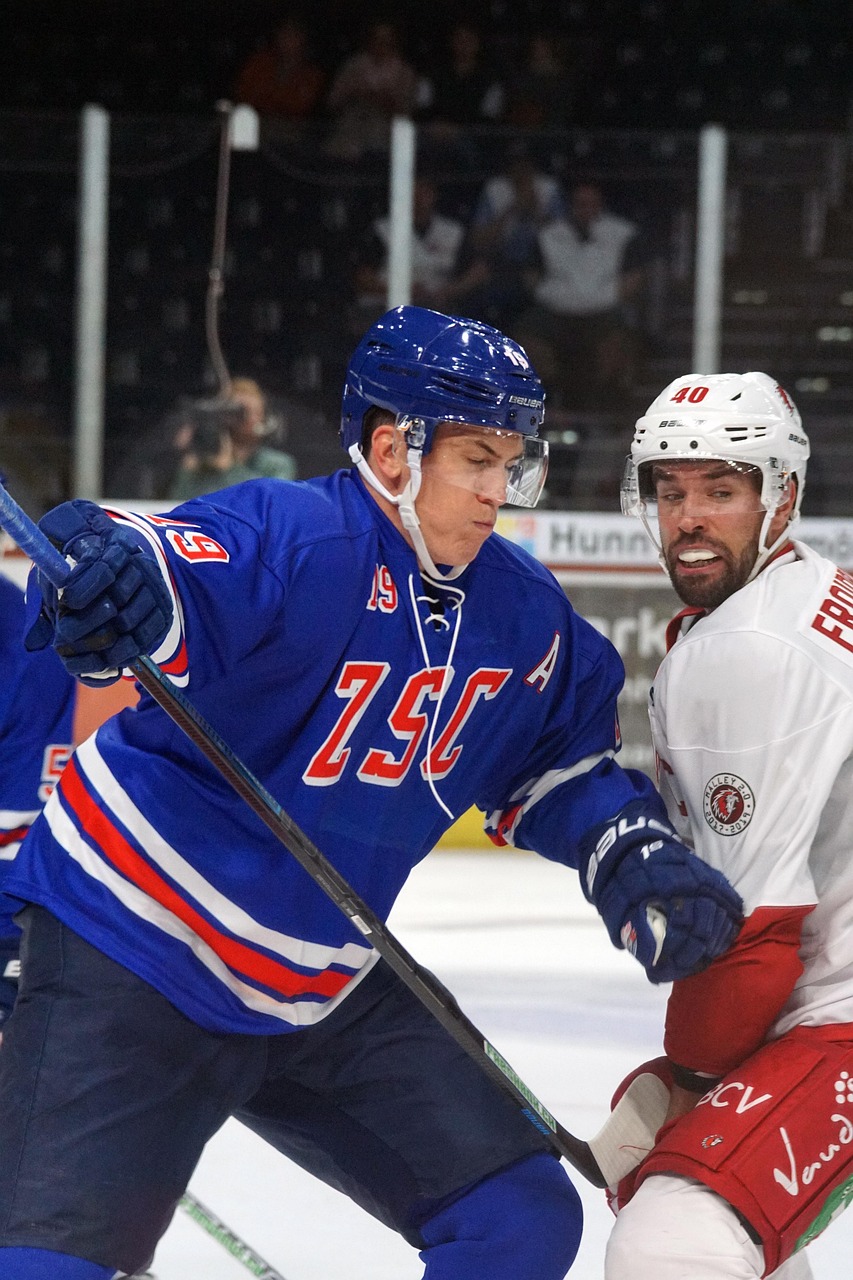
In the fast-paced world of hockey, game dynamics can shift rapidly, changing the fortunes of teams within moments. Coaches play a pivotal role in steering their teams through these fluctuations, implementing tactical adjustments that can influence the outcome. Whether it’s adjusting the forecheck, changing line combinations, or modifying defensive strategies, the ability to adapt on the fly is essential for success.
Article Summary
Coaches can make several tactical adjustments during a hockey match to enhance their team’s performance. These adjustments include modifying formations, shifting defensive structures, changing goaltender strategies, and tweaking line combinations. Each of these maneuvers can significantly impact the game, allowing teams to react effectively to their opponents.
Understanding Tactical Adjustments
In hockey, tactical adjustments are vital for navigating the unpredictable ebb and flow of a match. The nature of hockey, with its constant changes in momentum, demands that coaches remain vigilant and responsive. Let’s delve into several core adjustments that coaches can employ to tilt the balance in their favor.
1. Forechecking Strategies
The forecheck is often the first line of defense and an essential aspect of generating offensive pressure. Coaches may opt for different forechecking systems—such as a 1-2-2 or a 2-1-2 formation—based on the opponent’s tendencies. A more aggressive forecheck may force opponents into mistakes and create scoring chances.
- Aggressive Forecheck: This system entails applying relentless pressure on the puck carrier, aiming to recover the puck in the offensive zone.
- Containment Forecheck: Here, players focus on maintaining their positions, thereby funneling the puck carrier towards the boards or other teammates.
By switching between these strategies, a coach can exploit an opponent’s weaknesses or adapt to the changing flow of the game.
2. Adjusting Defensive Structures
When a team’s defensive structure falters, it can be advantageous to make tactical adjustments. Common defensive setups include man-to-man and zone coverage, and shifting between them can confuse opponents and disrupt their rhythm. Coaches may also implement a tight-checking strategy to limit scoring opportunities.
- Box Formation: In this setup, players create a “box” around the net, making it difficult for opponents to find shooting lanes.
- Diamond Formation: This is often utilized during penalty kills, focusing on protecting the area in front of the net effectively.
Transitioning between these formations can be pivotal in controlling the game’s tempo and stifling offensive plays.
3. Changing Line Combinations
In response to opponent strategies or in-game performance, coaches might shuffle line combinations. This maneuver can reenergize a struggling unit or take advantage of a favorable matchup. For instance, pairing a playmaker with a natural goal-scorer can enhance scoring opportunities.
Additionally, coaches can deploy players with complementary skills to ensure a more balanced approach. Changes can be made on-the-fly, providing an element of surprise that disrupts the opposing team’s defensive alignment.
4. Special Teams Adjustments
The significance of special teams in hockey cannot be overstated. Adjusting both power play and penalty kill strategies during a match can determine the outcome. Coaches should analyze how well their current strategies are working and make swift adjustments.
- Power Play Formation: Switching formations, such as moving from umbrella to overload, can create different opportunities based on how the opponent is reacting.
- Pennealty Kill Techniques: Coaches may change the aggressiveness of their penalty kill based on the opponent’s power play success rate.
Each of these adjustments requires keen observation and the ability to react on the fly, emphasizing the coach’s role in special teams scenarios.
5. Goalie Strategy Adjustments
The goaltender’s approach can also be a focal point for tactical adjustments during a game. Coaches must assess the opposing team’s shooting tendencies and adjust the goaltender’s positioning as necessary. For example, if a team relies heavily on shots from the point, the coach may instruct the goalie to play deeper in the net to guard against deflections.
Alternatively, if a team is known for taking low-angle shots, a more aggressive approach in net might be warranted. These nuanced adjustments can make a significant difference in netminding effectiveness.
Conclusion
In conclusion, the ability of coaches to implement tactical adjustments during a hockey match is crucial to securing victory. Whether it’s through changing forechecking methods, adjusting defensive structures, altering line combinations, or refining special teams strategies, quick thinking and adaptability can have a profound impact. By recognizing and responding to the dynamics of the game, coaches can create opportunities for success and ultimately drive their teams toward triumph on the ice.