
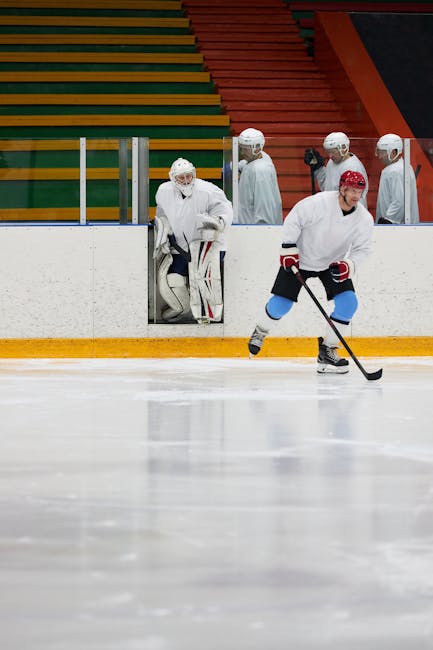
Playing hockey demands a high level of physical fitness, combining speed, endurance, and agility. Many players often wonder what type of cardio training best complements their on-ice performance. The right cardio regimen not only enhances our game but also helps prevent injuries, increase stamina, and improve recovery times. In this exploration of cardio training for hockey players, we will discuss the most effective cardiovascular exercises and how they can be incorporated into our training routines.
Article Summary
For hockey players, high-intensity interval training (HIIT) and sport-specific conditioning stand out as the best forms of cardio. These methods mimic the stop-and-start nature of hockey, enabling players to build endurance while improving their explosive power and agility.
The Importance of Cardio in Hockey
Cardiovascular fitness plays a crucial role in enhancing overall performance on the ice. As players, we need the ability to sustain high energy levels throughout the game, especially during intense shifts. Good cardio training can help us achieve better endurance, allowing us to maintain our performance in the latter stages of the match when fatigue often begins to set in.
Furthermore, cardio training aids in recovery, enabling us to bounce back quicker after intense games or training sessions. By incorporating specific cardiovascular exercises, we not only improve our aerobic capacity but also develop anaerobic endurance, which is essential in a sport characterized by short bursts of high intensity.
High-Intensity Interval Training (HIIT)
One of the most effective cardio workouts for hockey players is High-Intensity Interval Training (HIIT). This method involves alternating periods of intense effort with periods of lower-intensity recovery.
Benefits of HIIT
< B > HIIT provides numerous advantages for hockey players: < /B >
In terms of exercise selection, we can incorporate sprints, shuttle runs, or even on-ice intervals into our HIIT routines. For example, performing 30 seconds of maximum effort skating followed by 30 seconds of rest can elevate our heart rates and prepare us for the demands of a game.
Sport-Specific Conditioning
Another effective cardio approach is sport-specific conditioning. This type of training focuses on the unique movements and demands of hockey, translating to better on-ice performance.
Key Exercises for Hockey Players
When designing a sport-specific cardio program, we should include exercises such as:
Incorporating these drills into our routine will ensure our cardio training closely matches the requirements on the ice, allowing for improved performance in games.
Steady-State Cardio: A Complementary Approach
While HIIT and sport-specific conditioning are crucial, steady-state cardio should not be neglected. Steady-state exercises, such as jogging, cycling, or swimming, can still play a vital role in our training.
Benefits of Steady-State Cardio
< B > Engaging in steady-state cardio offers several benefits: < /B >
When integrating steady-state cardio into our program, it’s best to keep sessions moderate in intensity and duration. We can schedule a couple of steady-state sessions each week, allowing them to serve as an active recovery method.
Nutrition and Recovery
Cardio training must be complemented by proper nutrition and recovery strategies. After intense workouts, our bodies require nutrients to recover effectively.
Fueling for Performance
Ensuring we consume a balanced diet rich in proteins, carbohydrates, and healthy fats is crucial. A post-workout snack or meal should prioritize protein and carbohydrates to replenish glycogen stores and support muscle repair.
Importance of Recovery Techniques
In addition to proper nutrition, recovery techniques such as stretching, hydration, and sufficient sleep play a significant role in our overall cardio performance. Utilizing foam rollers or engaging in yoga can also aid in recovery and improve flexibility, further enhancing our game.
Conclusion
To sum up, the best type of cardio for hockey players involves a combination of high-intensity interval training and sport-specific conditioning, supplemented by steady-state cardio for endurance and recovery. Each component of our training plays a vital role in enhancing performance on the ice. By carefully integrating these methodologies into our training routines, we can elevate our game to new heights and enjoy greater success in our hockey endeavors. Stay consistent, listen to your body, and put the right training into action — the ice awaits!