
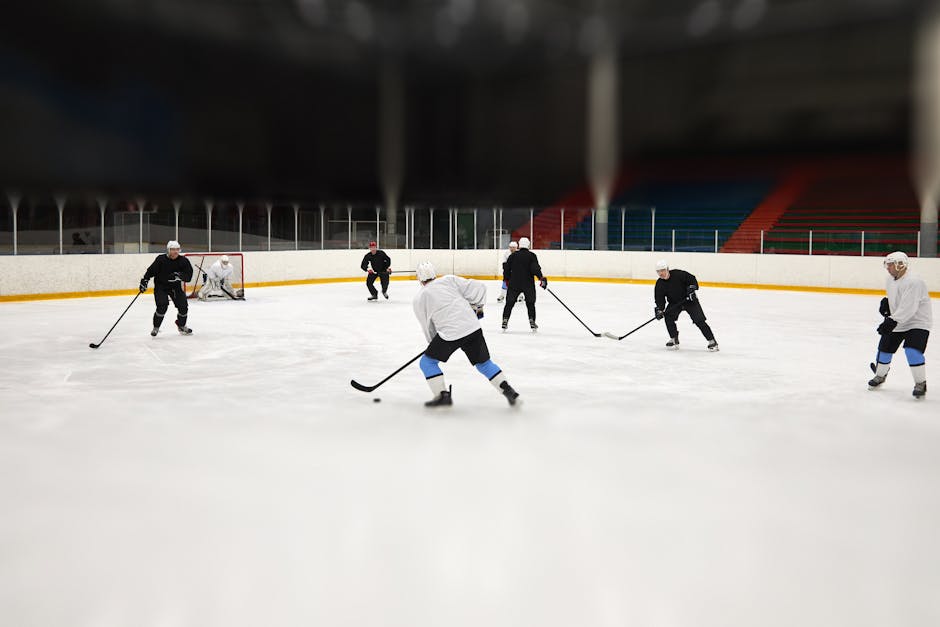
Professional hockey players operate in a high-intensity environment that demands peak physical and mental performance, even during the grueling season. Maintaining a structured training regimen is essential for longevity in their careers, recovery from injuries, and overall performance. As fans, it’s fascinating to delve into the rigorous routines that shape the destinies of these elite athletes.
Article Summary
During the season, professional hockey players maintain a balance of on-ice practice, off-ice training, and recovery. Their training is tailored to enhance their skills, build strength, and ensure proper recovery strategies are in place to prevent injuries. This multifaceted approach helps them stay at the top of their game while managing the demands of a competitive league.
The Importance of On-Ice Training
On-ice training is a cornerstone of a player’s routine throughout the season. It involves various drills focused on skating techniques, puck handling, and shooting accuracy. Players often engage in practice sessions that last several hours, honing their skills and developing strategies with their teammates.
Skills Development
The objective during on-ice practices is not only to maintain but also to improve individual skills. Players work on:
These skills are critical, as the fast pace of the game requires players to make split-second decisions, often under pressure. Engaging with coaching staff and utilizing video analysis helps players identify areas for improvement, maintaining a continuous growth mindset.
Off-Ice Training Regimens
Off-ice training plays a crucial role in preparing players for the demands of the game. This aspect of their routine emphasizes strength training, conditioning, and flexibility. A well-rounded off-ice training program helps to prevent injuries and enhance performance on the ice.
Strength and Conditioning
Weight training is essential for building the muscle necessary to withstand the physical rigors of hockey. Players often focus on:
Many players work with strength and conditioning coaches who tailor programs to their specific needs, ensuring targeted results that translate directly into on-ice performance.
Cardiovascular Fitness
In addition to strength training, cardiovascular fitness is another key component of off-ice training. Players often incorporate activities such as cycling, running, and interval training to build endurance. This cardiovascular backing allows players to maintain high energy levels throughout the game duration, ensuring they remain formidable opponents.
Flexibility and Recovery
Flexibility is vital for preventing injuries; thus, players typically engage in yoga or Pilates as part of their off-ice routine. Incorporating stretching and mobility exercises increases range of motion and reduces muscle stiffness, allowing players to perform at peak levels without the risk of strains or sprains.
Nutritional Strategies
Training during the season goes beyond physical workouts; nutrition plays a significant role in performance. Professional athletes, including hockey players, must maintain strict dietary guidelines to maximize their energy levels and overall health.
Optimizing Performance Through Diet
Players must consume a well-balanced diet filled with the right proportions of macronutrients. Typically, they focus on:
Hydration is also paramount; staying properly hydrated aids in recovery and supports cognitive function, allowing players to remain sharp both on and off the ice.
Recovery Protocols
In a sport as physically demanding as hockey, recovery is indispensable. The periodic nature of training and games necessitates a regimented recovery strategy, allowing players to bounce back after intense physical exertion.
Rest and Active Recovery
Players are often required to incorporate both rest and active recovery strategies into their training schedules.
The careful balance between training load and recovery is essential; overstressing the body can lead to burnout or injury.
Use of Technology in Recovery
Modern technology provides players with cutting-edge tools to optimize their recovery. Devices like cryotherapy machines, compression garments, and heart rate monitors help players track their recovery levels, ensuring they remain in peak condition.
Conclusion
In conclusion, the training routine of professional hockey players during the season is a complex weave of on-ice skill development, off-ice physical conditioning, nutritional diligence, and recovery protocols. Understanding these dynamics provides us with valuable insight into what it takes to perform at such elevated levels of competition. As fans, knowing the dedication and commitment behind the scenes only enhances our appreciation for the remarkable efforts these athletes put forth every game. Through hard work, resilience, and strategic planning, they continue to elevate the sport we love.