
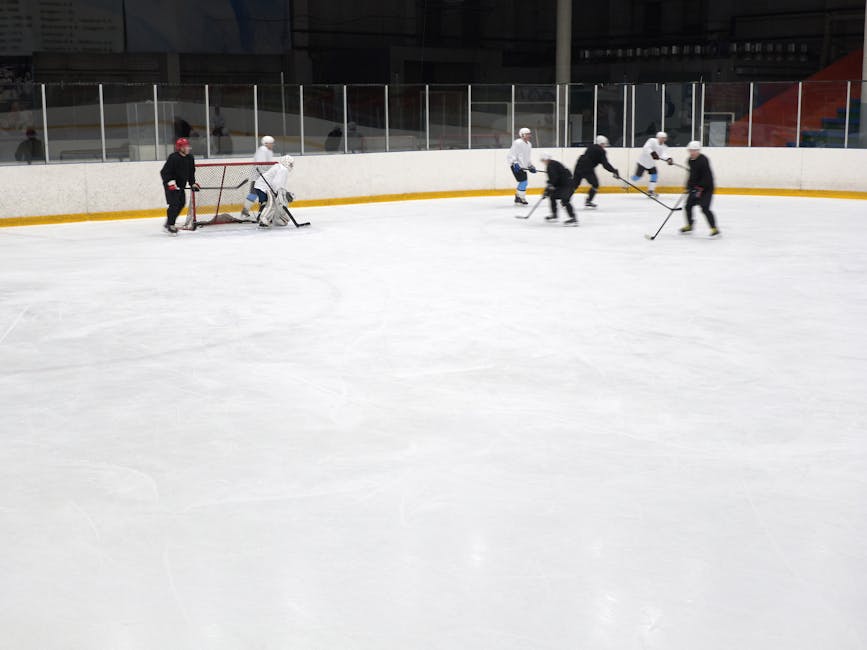
In the fast-paced world of hockey, where every second counts, the importance of endurance cannot be overstated. To compete at the highest levels, players must possess not just skill, but also superior stamina. This enables them to maintain peak performance throughout the game, endure grueling training regimens, and recover effectively from injuries. This discussion revolves around the methods elite hockey players employ to enhance their endurance.
Article Summary
Elite hockey players build endurance through a combination of rigorous training, tailored nutrition, and mental resilience. They focus on high-intensity interval training, sport-specific exercises, and recovery strategies to optimize their performance and sustain energy levels during games.
The Importance of Endurance in Hockey
Endurance is the backbone of a hockey player’s performance. Unlike many sports, hockey demands a unique combination of aerobic and anaerobic stamina, as players must transition quickly between bursts of high intensity and moderate exertion. They skate for short intervals, applying maximum energy while also needing to sustain that energy throughout multiple periods.
Players who possess superior endurance can maintain their speed, agility, and decision-making abilities longer, effectively influencing the game’s outcome. Therefore, incorporating endurance training into regular routines is non-negotiable for athletes aspiring to excel in this demanding sport.
Components of Endurance Training
When we think about building endurance, we can break it down into several key components:
- High-Intensity Interval Training (HIIT) – This training method focuses on repeated bouts of short, vigorous activity alternated with rest or lower-intensity exercise. It’s particularly effective at mimicking the stop-and-go nature of hockey.
- Aerobic Conditioning – Long-distance running, cycling, or swimming enhances players’ aerobic capacity, allowing for improved oxygen delivery during games.
- Strength Training – While primarily aimed at building muscle, incorporating strength training can lead to better endurance by improving muscle efficiency, power output, and overall physical resilience.
High-Intensity Interval Training (HIIT)
HIIT has become a cornerstone of endurance training in hockey. Players often engage in short, intense bursts of skating followed by brief recovery periods. This method not only builds cardiovascular endurance but also conditions the muscles to perform under fatigue. Thus, it enhances the ability to maintain high performance during the latter stages of a game.
Aerobic Conditioning
In conjunction with HIIT, we cannot overlook the importance of aerobic conditioning. Maintaining a solid aerobic base allows players to recover faster between efforts and sustain their energy levels during prolonged periods of activity. Incorporating steady-state cardio workouts several times a week enables players to improve their overall endurance without overtraining.
Nutritional Strategies for Optimal Performance
Physical training alone is insufficient without a robust nutritional framework. For hockey players, understanding the role of macronutrients—carbohydrates, proteins, and fats—is crucial in developing and sustaining endurance levels.
Carbohydrates: The Fuel Source
Carbohydrates are the primary energy source for high-intensity exercise. Athletes must prioritize complex carbohydrates in their diet to ensure sustained energy release. Whole grains, fruits, and vegetables should be staples in their meal plans.
Protein for Recovery
Post-training, our bodies require protein to repair and rebuild muscle tissues adequately. Consuming lean sources of protein, such as chicken, fish, and legumes, aids in effective recovery and promotes muscle growth, beneficial for maintaining endurance.
Hydration Strategy
Moreover, hydration plays a vital role in endurance. Even mild dehydration can hinder performance, leading to fatigue and decreased cognitive function. It’s imperative to consume sufficient fluids throughout the day, not just during training and games.
Mental Resilience: The Final Piece of the Puzzle
No discussion about endurance is complete without considering the mental aspect. Hockey is as much a mental game as it is a physical one. Players must develop the ability to push through discomfort, remain focused, and make sound decisions, even when fatigue sets in.
Building Mental Toughness
Practicing mindfulness, visualization techniques, and maintaining a growth mindset can significantly enhance mental endurance. Mental preparation, alongside physical training, ensures players can tackle the challenges of intense gameplay without losing focus.
Recovery: Not to Be Overlooked
Finally, recovery is an indispensable element in the endurance equation. Engaging in active recovery, stretching, and proper sleep habits can significantly enhance performance and facilitate quicker recovery times.
Players should be aware that rest days are just as crucial as training days. Without adequate recovery, endurance can diminish, leading to burnout or injury.
Conclusion
Ultimately, building elite endurance in hockey requires a balanced approach encompassing targeted training methods, nutrition, mental fortitude, and recovery strategies. By integrating these components into their training regimens, players can enhance their stamina, ensuring they are equipped to meet the rigorous demands of the sport. As we advance, understanding and implementing these strategies will continue to differentiate skilled players from the elite. So, let’s commit to building our endurance and elevating our game!