
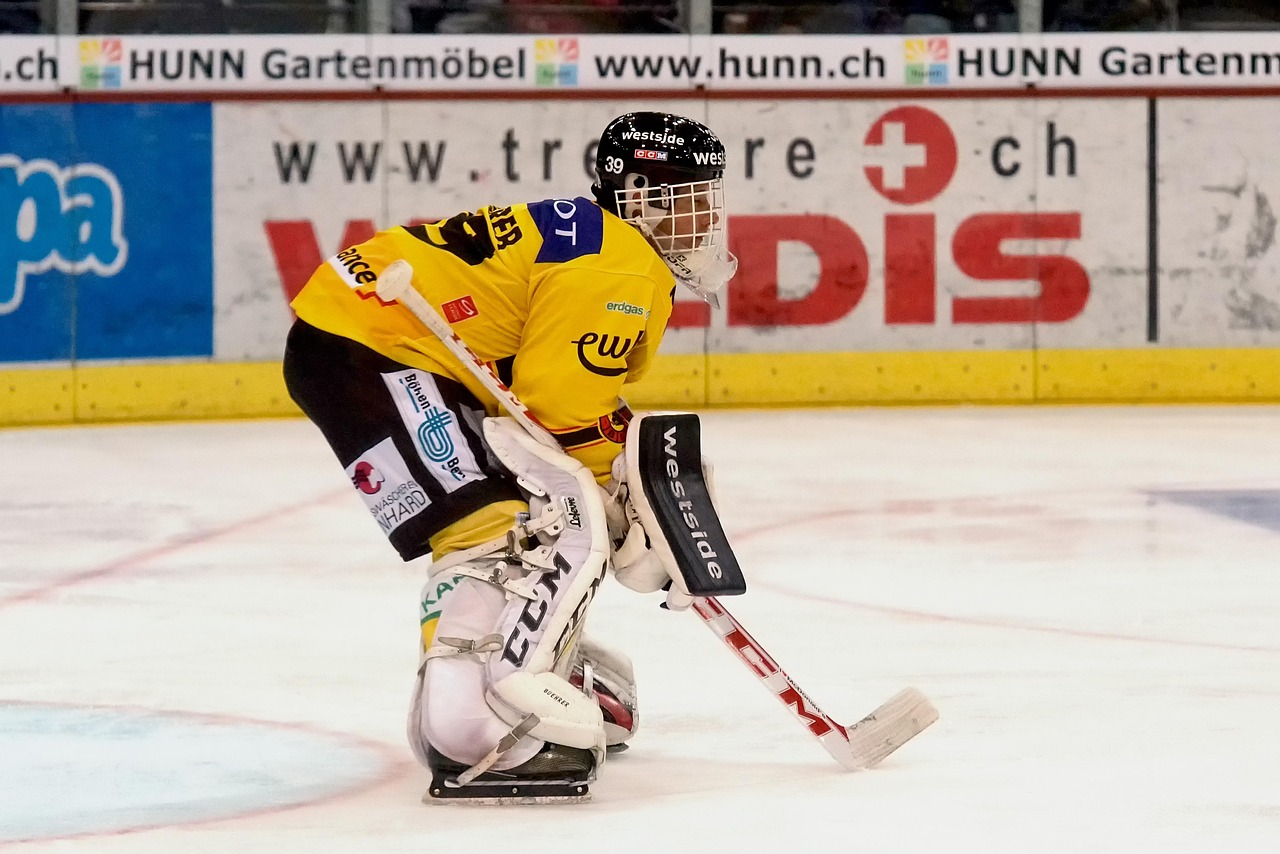
Hockey is not merely a game of speed and strength; it is a complex interplay of strategy, skill, and communication. Throughout the course of a match, players must remain attentive not only to the puck but also to their teammates and opponents, as every moment dictates the unfolding tactics. Communication, in all its forms, plays an indispensable role in establishing effective plays, transitioning between offensive and defensive strategies, and maintaining team cohesion.
Article Summary
In hockey, communication is pivotal to the success of tactical execution. By fostering clear dialogue on and off the ice, players can anticipate actions, adjust strategies in real-time, and maintain a unified approach to the game. Effective communication enhances teamwork, which ultimately translates into improved performance.
The Importance of Verbal Communication
Verbal communication is the most straightforward yet powerful tool in a hockey player’s arsenal. When players communicate verbally, they can provide immediate feedback, call out plays, or alert teammates of impending threats.
Calling Plays and Signals
Every team has its own set of calls and signals that are crucial during gameplay. These quick verbal cues can change the direction of the game in an instant. For instance, when a player shouts a specific play name, it signifies to everyone on the ice how they should position themselves and react.
- Clarity is paramount: A single call must be easily understood and remembered.
- Consistency in using those calls during practices builds familiarity.
When players have a clear understanding of these verbal cues, they can respond quickly, allowing for seamless transitions and more dynamic plays.
Non-Verbal Communication: The Silent Language
While verbal communication is crucial, non-verbal signals often speak louder than words. Body language, eye contact, and gestures all convey valuable information that assists in the rapid decision-making process.
Reading Body Language
Players constantly gauge each other’s movements and gestures to predict their intentions. For instance, a player leaning forward might be ready to make a move, while an outstretched arm could be signaling for a pass.
Moreover, maintaining eye contact can indicate trust and readiness, allowing teammates to synchronize their actions without explicit instruction. This non-verbal communication can be especially valuable during high-pressure situations, where verbal commands may get lost in the noise of the arena.
Communication During Practice: Building a Foundation
Effective communication does not solely occur during games; it must be cultivated during practice sessions. We should emphasize the significance of open dialogue between players and coaches.
Creating a Feedback Culture
During practice, players should feel comfortable sharing their observations and suggestions. Constructive feedback leads to improved understanding, as players can learn from each other’s experiences.
- Encouragement to ask questions fosters an environment where no player feels left in the dark.
- Team drills should incorporate situations that require both verbal and non-verbal communication, ensuring that players can effectively apply these skills during an actual match.
Through this emphasis on communication in practice, we can foster a tighter-knit team capable of executing their strategies flawlessly on the ice.
The Role of Game Situations in Communication
As the game unfolds, communication becomes even more critical. It often dictates how a team adjusts to the opponent’s play and modifies their strategy in real time.
Reacting to Opponent Strategies
As players evaluate the opposing team’s tactics, they must communicate their insights quickly. For instance, if a player notices a defensive weakness, he must relay this information to teammates immediately, such as suggesting they pass to an area where the opponent is less likely to intercept.
Additionally, when the opposing team makes substitutions or changes their approach, quick and effective communication allows players to adapt their strategies accordingly. This ability to adjust on the fly can make the difference in a tightly contested match.
The Emotional Aspect of Communication
Beyond the tactical implications, communication in hockey also carries an emotional weight. How players interact with each other shapes team dynamics and morale.
Building Team Chemistry
Positive communication fosters a supportive environment, which is vital for team cohesion. Encouragement and camaraderie can boost players’ confidence, allowing them to perform at their best.
Conversely, negative communication can lead to misunderstandings, frustration, and a lack of unity. We must approach communication thoughtfully, as the manner in which we speak to one another can either uplift or undermine team spirit.
Conclusion
In conclusion, communication is an essential pillar of hockey tactics. As we have seen, both verbal and non-verbal cues significantly influence gameplay and team performance. By focusing on building a culture of openness, providing constructive feedback, and enhancing communication skills during practice, we can develop a more cohesive and responsive team. Ultimately, it is this synergy and understanding among players that can lead to success on the ice. As you continue to watch or play the game, remember that effective communication can shape the outcome in ways we might not initially perceive.