
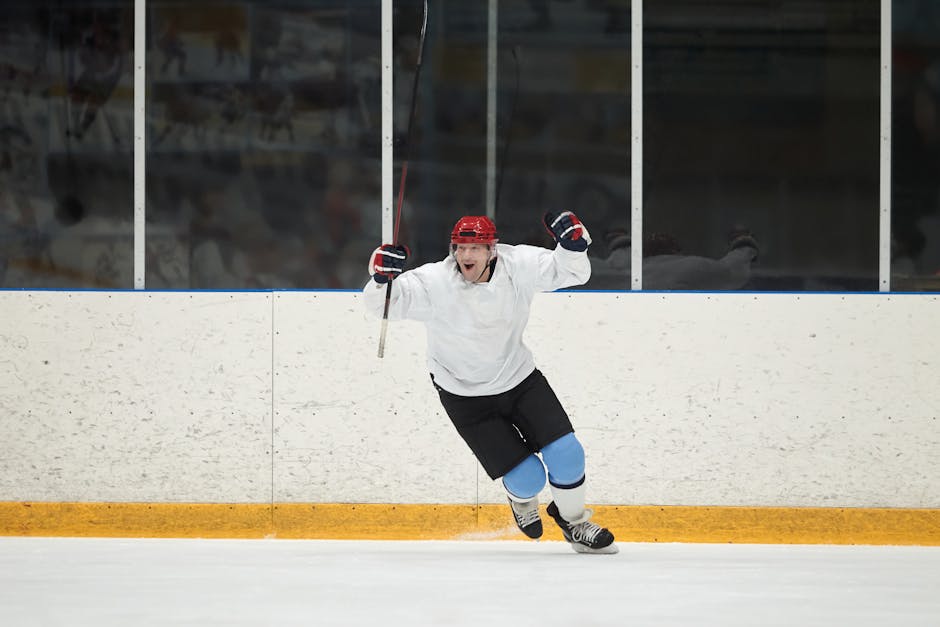
Playing hockey demands not only skill and strategy but also top-tier physical conditioning. Strength training plays a pivotal role in enhancing a player’s performance on the ice, enabling them to skate faster, shoot harder, and maintain endurance throughout intense games. We recognize that determining the most effective strength training program tailored for hockey players can be challenging, but understanding the essential components will empower you to make informed choices.
Article Summary
The best strength training program for hockey players incorporates a balanced approach that integrates full-body workouts, plyometrics, flexibility, and sport-specific drills. Focused on building strength, agility, and endurance, this program also emphasizes core stability to enhance overall performance on the ice.
The Importance of Strength Training in Hockey
In hockey, physicality and strength can often determine the outcome of a game. The athletes we admire for their exceptional skills are often those who have invested substantial time in strength training. A well-structured program not only increases muscle strength but also improves overall body composition and metabolic efficiency.
Furthermore, strength training significantly reduces the risk of injuries, allowing players to perform at their best without the constant worry of setbacks. Strengthening muscles, tendons, and ligaments indeed fortifies the body, preparing it to endure the physical demands of the game.
Key Components of a Strength Training Program
To attain the desired results, it is essential to integrate several fundamental elements into your training regimen. Below are the pillars we believe every effective program should encompass:
1. Full-Body Workouts
Incorporating full-body workouts ensures that all muscle groups are engaged and developed evenly. Focusing on complex movements not only builds strength but also promotes coordination and stability.
Common exercises to include are:
2. Plyometric Training
Plyometrics are integral to explosiveness and agility. These high-intensity workouts help improve the fast-twitch muscle fibers crucial for hockey, especially when executing quick sprints or evasive maneuvers.
Exercises such as:
will help in developing your explosiveness on the ice.
3. Core Stability
A strong core is vital for balance and stability during play. Incorporating core strengthening exercises not only supports your skating but helps in reducing injury risk. We recommend activities like:
4. Flexibility and Mobility
In conjunction with strength training, ensuring flexibility is paramount. Muscles that are both strong and flexible can adapt better to the various demands of on-ice movements. Stretching routines, dynamic warm-ups, and yoga can improve your range of motion and contribute to better performance and recovery.
Program Structure and Frequency
Creating a well-rounded strength training routine means understanding how to structure it effectively.
Generally, we advocate for training 3-4 days a week, with each session lasting about 60 to 90 minutes. A sample weekly plan could look like this:
- Day 1: Full body strength building
- Day 2: Plyometric focus
- Day 3: Core stability and functional movement
- Day 4: Flexibility and recovery
Integrating rest days is essential, allowing muscles to recover and grow, ensuring you come back stronger each time.
Nutrition for Optimal Performance
While strength training is crucial, it should always be complemented by sound nutrition. After intense workouts, the body requires nutrients to repair muscles and replenish energy. We encourage consuming a balanced blend of carbohydrates, proteins, and healthy fats.
Consider these post-workout snacks:
Regarding hydration, staying adequately hydrated ensures optimal physical performance, so drink plenty of water before, during, and after your training sessions.
Tracking Progress and Making Adjustments
Regularly monitoring your progress will help you stay on track, adjust your program as needed, and celebrate achievements along the way. Tools like strength progress logs, video analysis, and even consultation with trainers can provide key insights into your improvements.
As you advance, consider altering exercises, weights, or even introducing new techniques to keep your regimen effective and stimulating.
Conclusion
In conclusion, the best strength training program for hockey players integrates comprehensive elements that target strength, explosiveness, and stability while ensuring recovery and proper nutrition are prioritized. By following a structured approach, we can optimize performance, reduce the risk of injuries, and enhance every aspect of our game. It is time to embrace these components and commit to a training program that will keep you on top of your performance, ensuring you shine on the ice.