
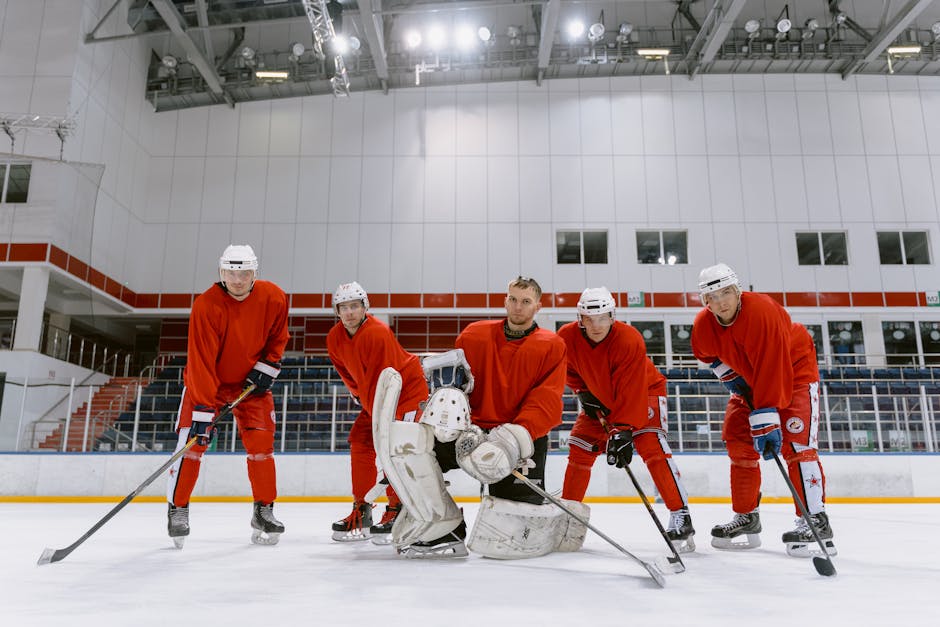
As hockey players, we understand that agility is a critical component of our game. It’s not just about speed; it’s about how quickly we can change direction, react to opponents, and position ourselves for the best possible play. Improving our agility not only enhances our on-ice performance but also helps prevent injuries.
Article Summary
To enhance agility in hockey, we can prioritize specific training tips and exercises designed to increase our speed, balance, and coordination. By integrating agility drills, plyometrics, and proper warm-up routines into our training, we can significantly boost our on-ice performance and responsiveness during games.
The Importance of Agility in Hockey
Agility directly impacts our ability to maneuver swiftly during games. It allows us to dodge opponents, swiftly change directions, and maintain our balance while navigating the rink. Additionally, agility plays a pivotal role in defensive maneuvers, enabling us to anticipate and react to the opposing team’s strategies.
By fostering our agility, we inherently improve our speed and overall athleticism, which can lead to a more dynamic gameplay experience. In essence, being agile allows us to become better hockey players, both individually and as part of a team.
Key Training Tips to Improve Agility
Improving our agility requires a multifaceted approach. Here are some essential training tips to incorporate into our routine:
1. Plyometric Exercises
Plyometric exercises are crucial for developing explosive power and quickness. These drills enhance our fast-twitch muscle fibers, enabling rapid movements that are vital in hockey. Some effective plyometric exercises include:
By including these exercises in our training regimen, we can build the strength and agility necessary for sudden movements on the ice.
2. Agility Ladder Drills
Agility ladders are excellent tools for improving foot speed and coordination. These drills help us develop quick, precise movements that are directly transferable to our hockey skills. Some beneficial agility ladder drills include:
Implementing ladder drills into our warm-up or workout routine can significantly enhance our reaction times and overall agility.
3. Cone Drills
Cone drills require us to change direction at speed, which is daily essentials for a hockey player. Setting up cones in various formations can create drills that mimic game situations. Consider these formations:
These drills help improve our movement fluidity and responsiveness on the ice, making them vital components of our agility training.
Warm-Up Routines to Enhance Agility
A proper warm-up sets the tone for any training session. It helps prepare our muscles and joints for the exertion to come, reducing the risk of injury. Prioritizing dynamic warm-ups can significantly enhance our agility.
Focus on movements that mimic on-ice actions, including:
- Leg swings: Forward and sideways to loosen up your hips.
- High knees: To activate your core and leg muscles.
- Butt kicks: To increase flexibility and range of motion.
By following a well-structured warm-up routine, we can maximize our agility training’s effectiveness.
Developing Core Strength for Better Agility
A strong core is fundamental to improved agility. Our core muscles help stabilize our body, allowing for better balance and control during rapid movements. Incorporating core-strengthening exercises into our training regimen can yield significant benefits to our agility.
Some excellent core-strengthening exercises include:
By developing our core strength, we can enhance our ability to change directions and maintain stability while on the ice.
Incorporating Agility Training into Regular Workouts
To truly see improvements in our agility, we must weave these exercises into our regular workout routines. Whether we’re training for strength or endurance, including agility drills at least two to three times a week will ensure that we build the specific skills we need.
A balanced routine might look like this:
- Day 1: Plyometrics and agility ladder drills
- Day 2: Core strengthening and cone drills
- Day 3: Hockey skills practice, emphasizing agility and quick changes in direction
This combination gives us the best chance for comprehensive development, both in agility and overall hockey skills.
Conclusion
Improving our agility for hockey is an ongoing journey that requires commitment and diverse training methods. By incorporating plyometrics, agility ladder drills, and proper warm-up routines into our regular training, we can enhance both our on-ice performance and our overall athleticism. As we commit to improving our agility, we’ll likely see significant benefits during games, making us more effective players. Let’s embrace these training tips and strive for greater agility in our hockey journey.