
In the fast-paced world of ice hockey, understanding the tactical role of each position is paramount for players and fans alike. The beauty of the game lies not just in individual brilliance, but also in the synchronized dance of teamwork and strategy among the players on the ice. Each position has a distinct set of responsibilities that contributes to the overall game plan, adding layers of complexity to the sport that make it so engaging.
Article Summary
Each position in hockey is tailored to fulfill specific tactical roles, affecting both offensive and defensive plays. The forwards focus on scoring and generating offensive pressure, while the defensemen shield their territory and disrupt opposing plays. The goalie, a unique position, acts as the last line of defense, combining positioning with quick reflexes.
Forwards: The Offensive Powerhouses
When we discuss the forward positions, we are primarily looking at three roles: the left winger, the center, and the right winger. Each contributes to the offensive strategy in unique ways.
Left Winger and Right Winger
The left and right wingers generally operate in tandem, often working the boards and cycling the puck. Their primary focus is to create scoring opportunities, using speed and agility to outmaneuver the defense.
- Puck Control: Wingers need to be adept at handling the puck, which often involves intricate stickhandling while navigating through high-pressure zones.
- Shooting Accuracy: With shooting being their main function, they must develop a knack for finding the back of the net, often from challenging angles.
The Center
The center often acts as the focal point of the offense. They have the dual responsibility of supporting wing players while also checking defensive movements.
- Playmaking: Centers are typically playmakers. They need to have an acute sense of vision to anticipate the movements of both teammates and opponents.
- Face-off Specialist: Winning face-offs is vital for maintaining puck possession, making this one of the center’s primary responsibilities.
Together, forwards create scoring chances, applying constant pressure on opposing defenses while facilitating smooth transitions from defense to offense.
Defensemen: The Guardians of the Zone
Defensemen are crucial for protecting the net and disrupting the flow of the opposing team. The two primary roles here are the stay-at-home defenseman and the offensive defenseman.
Stay-at-Home Defenseman
These players prioritize defensive responsibilities, often opting for positional play over aggressive checks. Their key responsibilities include:
- Positioning: They must maintain optimal positioning to cut off passing lanes and restrict shooting opportunities.
- Clearing the Puck: Effective defensive plays often involve clearing the puck from high-risk areas, allowing forwards to regain control.
Offensive Defenseman
On the other hand, some defensemen contribute significantly to offensive plays.
- Joining the Rush: An offensive defenseman can initiate a breakout and join the attack, providing an extra scoring option.
- Point Shots: They are also responsible for shooting from the blue line, aiming to create traffic in front of the net or look for deflections.
By combining both types of defensemen, a team can establish a balanced strategy that both protects against opponent scoring and generates their own.
The Goalie: The Last Line of Defense
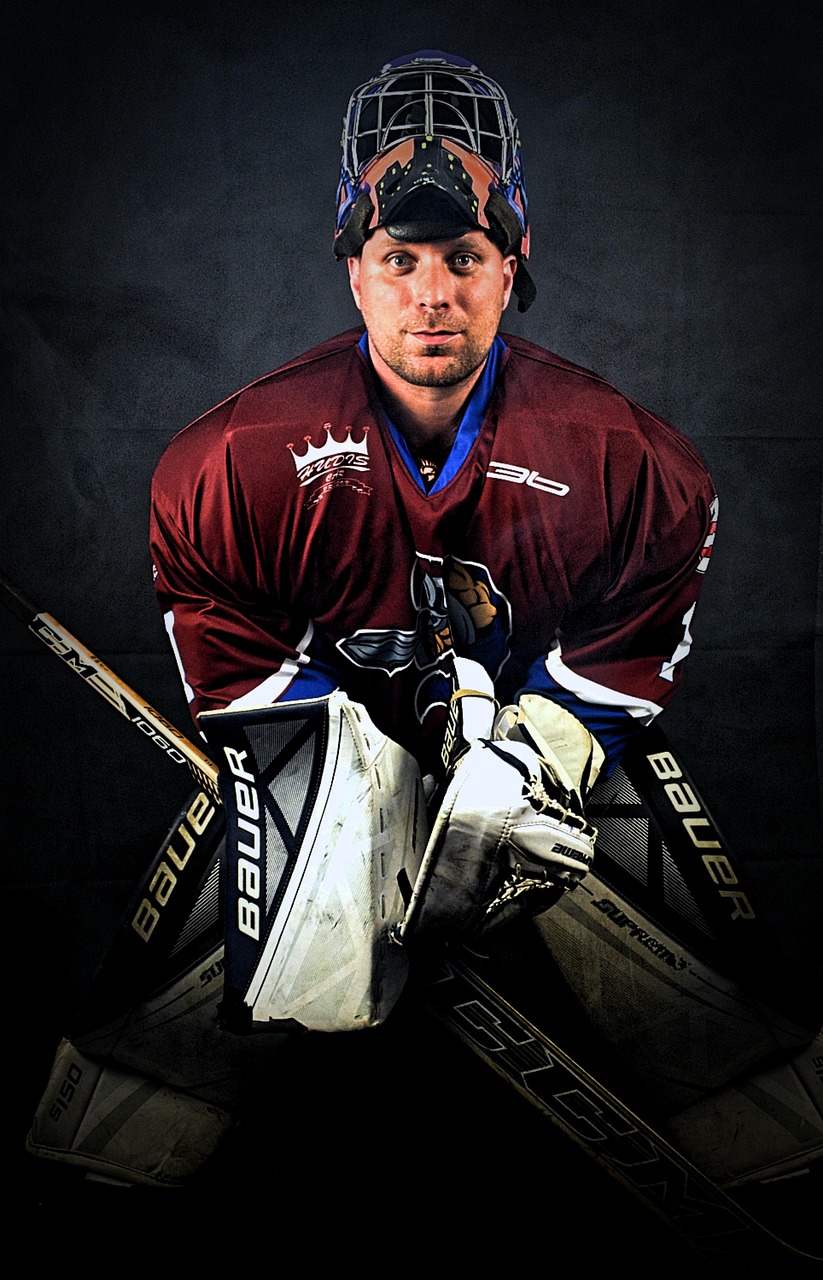
The goalie is a unique position with distinct responsibilities that come with immense pressure. They are the last bulwark against opposing shooters.
- Positioning and Angles: A goalie must position themselves effectively, cutting down angles to maximize the possibility of making a save.
- Quick Reflexes: The ability to react swiftly to unpredictable shots can determine the outcome of a game.
Goalies often act as the team’s emotional backbone. Their performance can galvanize the entire squad, creating a sense of confidence that permeates throughout the roster.
The Importance of Team Dynamics
Understanding each position’s tactical role is not an isolated endeavor; it’s vital for enhancing the team’s performance. Coaches often design strategies that capitalize on each player’s strengths, leading to more coherent gameplay.
- Communication: It’s crucial for players to communicate constantly on the ice. This cooperation can mean the difference between winning and losing, as players need to understand each other’s responsibilities.
- Adaptability: Players must be versatile, often switching positions or roles based on the immediate needs of the game. This can involve switching from offensive to defensive play rapidly, requiring a high hockey IQ.
Final Thoughts
Understanding the tactical roles within hockey positions enriches our appreciation of the game. Each player contributes uniquely to the overall strategy, and recognizing these roles allows us to engage deeper as fans and players. Emphasizing teamwork, communication, and strategic execution, hockey remains one of the most intricate and exhilarating sports to follow.
As you watch your favorite teams and players, consider the nuances of their movements and decisions. Each pass, shot, and save contributes not just to the score but to the beautifully orchestrated ballet that is hockey.