
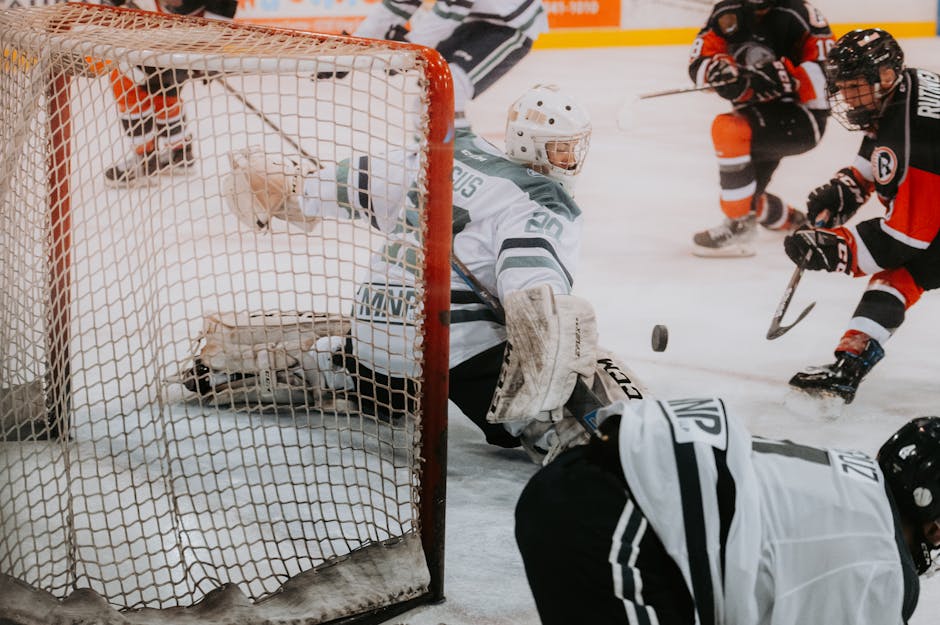
Hockey is a physically demanding sport that requires strength, agility, endurance, and coordination. With the unpredictability of gym access, whether due to location, time constraints, or even global events, we find ourselves seeking alternative training methods. Therefore, we must adapt our training routines to incorporate exercises that can be performed outdoors or even at home.
Article Summary
To train for hockey without access to a gym, we can leverage bodyweight exercises, create improvised training tools, and engage in outdoor activities. By focusing on strength, agility, and conditioning, we can develop the necessary skills for improved performance on the ice.
Bodyweight Exercises: The Foundation of Our Training
When we aim to enhance our athletic performance, bodyweight exercises become our best allies, allowing us to build strength without requiring gym equipment. These exercises effectively target key muscle groups essential for hockey players.
Key Bodyweight Exercises
Consider incorporating the following movements into our training regimen:
- Push-ups: Excellent for upper body strength, engage your chest, shoulders, and triceps.
- Squats: Strengthen our legs, focusing on the quads, hamstrings, and glutes.
- Lunges: Enhance leg stability and mobility, mimicking the skating motion.
- Planks: Build core strength, essential for maintaining balance and stability on the ice.
- Burpees: Combine strength and cardio, providing an intense full-body workout.
Incorporating a variety of these movements creates a balanced strength training program, which can be tailored to our fitness level. We can perform them anywhere, be it in a park or even in our living room.
Improvised Training Tools: Getting Creative
If we do have access to a few household items, we can transform them into effective training tools. For instance, we can use backpacks filled with books or water bottles as weights during our workouts.
Examples of Improvised Tools
Consider these suggestions:
- Backpack Deadlifts: Fill a backpack with weight and perform deadlifts to strengthen the posterior chain.
- Water Bottle Curls: Use filled water bottles for bicep curls.
- Chair Dips: Utilize a sturdy chair for tricep dips to build upper body strength.
This approach not only maintains our training intensity but also adds a layer of variety and fun to our workouts. By engaging with our environment creatively, we can make the most of our circumstances.
Outdoor Activities: Conditioning and Agility
Beyond bodyweight exercises, outdoor activities can significantly contribute to our conditioning and agility, crucial for hockey success. Exploring different types of cardio exercises helps us improve our endurance, mimicking the demands of a hockey game.
Various Outdoor Activities
Engaging in the following activities can yield substantial benefits:
- Running: Whether sprinting or jogging, running enhances cardiovascular fitness, a vital component in hockey.
- Cycling: A great low-impact option that builds leg strength and endurance.
- Jump Rope: Perfect for developing coordination and stamina.
- Agility Drills: Set up cones or markers in your driveway or a nearby park to perform lateral movements and shuttle runs.
By integrating these exercises into our routine, we not only work on our aerobic capacity but also pinpoint the unique attributes essential for making quick plays on the ice.
Incorporating Flexibility and Mobility Work
As hockey players, we often overlook the importance of flexibility and mobility in our training. Stretching and mobility exercises are crucial to avoid injuries and improve overall performance.
Effective Stretching Techniques
Incorporating these practices into our training routine can greatly enhance our flexibility:
- Dynamic Stretching: Before workouts, engaging in dynamic stretches prepares our muscles for action.
- Static Stretching: Post-workout, taking time for static stretches aids in muscle recovery.
- Yoga: Consider integrating yoga sessions to improve balance, flexibility, and body awareness.
These practices will contribute to our recovery and overall athletic performance, ensuring we are limber and prepared to face on-ice challenges.
Setting Realistic Goals and Monitoring Progress
While training without a gym, it’s essential to set achievable, measurable goals. By tracking our progress, we can stay motivated and adjust our routines as necessary, ensuring continuous improvement.
Goal-Setting Techniques
To effectively monitor our development:
- Establish SMART Goals: Specific, Measurable, Achievable, Relevant, Time-bound goals help us stay focused.
- Keep a Training Journal: Documenting our workouts assists in tracking progress and making adjustments.
- Use Technology: Apps and fitness trackers can provide valuable insights into your performance.
By consistently evaluating our achievements, we foster a habit of improvement and reinforce our commitment to training.
In conclusion, training for hockey without access to a gym requires creativity, dedication, and adaptability. By utilizing bodyweight exercises, improvising training tools, engaging in outdoor activities, incorporating flexibility work, and setting realistic goals, we can effectively prepare ourselves for success on the ice. Let’s embrace these alternatives and continue to elevate our game, regardless of the limitations we face.