
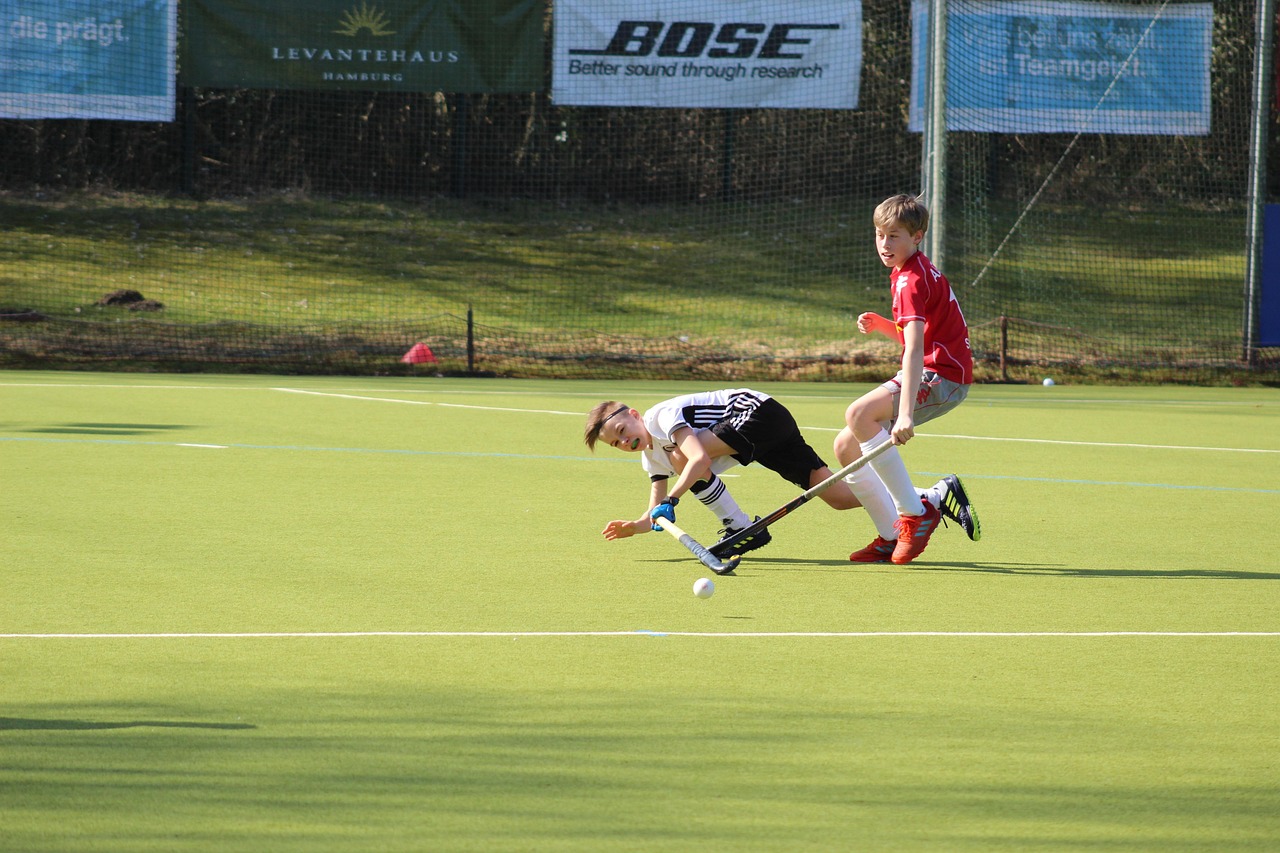
Hockey, a sport characterized by speed and strategy, necessitates a strong foundation of tactical awareness, especially for youth players. As young athletes develop their skills, understanding the intricacies of the game becomes crucial for their growth on the ice. In this journey, coaches, parents, and players must collaborate effectively to ensure a comprehensive learning experience.
Article Summary
Youth hockey players learn tactical awareness through a combination of structured practice, in-game experiences, and feedback from coaches. By engaging in drills that promote decision-making and understanding of game dynamics, young players enhance their ability to anticipate plays and improve their on-ice performance.
The Importance of Tactical Awareness
Tactical awareness in hockey refers to a player’s ability to understand the game’s flow, anticipate opponents’ moves, and make decisions quickly. For youth players, this skill can be the distinguishing factor between a good player and a great one.
As we navigate the complexities of the game, it becomes clear that the development of tactical awareness involves more than just physical training. It requires a thoughtful approach that incorporates both mental and emotional aspects of the game.
Understanding the Game’s Flow
To cultivate tactical awareness, we must encourage young players to observe the dynamics of the game closely. This means recognizing patterns, understanding positioning, and knowing when to transition between offense and defense.
During practice sessions, we can employ drills that mimic real-game scenarios. By doing so, players can:
- Improve their spatial awareness, allowing them to make better decisions regarding positioning
- Enhance their communication with teammates, fostering teamwork and collaboration on the ice
- Develop their reaction times, enabling them to respond intuitively to fast-paced changes
Incorporating small-sided games can be especially beneficial. These modified versions of hockey create a dynamic environment where players face constant decision-making challenges, thereby sharpening their tactical comprehension.
Coaching Tactics for Development
As coaches, our role in fostering tactical awareness cannot be overstated. By implementing specific strategies, we can help young players cultivate this critical skill.
Effective Drill Design
The design of our drills should focus not only on technical skills but also on strategic thinking. Here are several approaches we can take:
- Game-like scenarios: Simulating match conditions during practice allows players to apply their learning in realistic contexts, reinforcing their tactical knowledge.
- Video analysis: Utilizing video footage of games can help players visualize their positioning and decision-making processes, allowing for self-assessment and feedback.
- Progressive complexity: Starting with basic drills and gradually increasing their complexity encourages players to adapt and expand their tactical understanding.
By thoughtfully designing our drills, we provide youth players with the tools they need to navigate the complexities of the game confidently.
Encouraging In-Game Learning
While practice is crucial, in-game situations offer invaluable lessons. We must foster an environment where players feel encouraged to take risks and learn from their experiences.
Incorporating discussions immediately following games can help players reflect on their tactical decisions. Key points to address might include:
- What went well and why?
- What could have been done differently?
- How did team dynamics affect their decisions?
These discussions not only reinforce the importance of tactical awareness but also build players’ confidence in their abilities.
The Role of Parents and Guardians
As parents and guardians, your involvement in your child’s hockey journey is significant. Understanding the principles of tactical awareness can help you support your young player effectively.
Fostering a Positive Environment
Creating a positive environment is critical for youth players. Encourage them to focus on their growth, rather than solely on winning. Celebrate their improvements in tactical awareness, even if it doesn’t immediately reflect in their performance.
Additionally, attending games and showing interest in their tactical development allows you to provide encouraging feedback. Open dialogues about their experiences can boost their confidence and reinforce their learning.
The Importance of Self-Reflection
As youth hockey players develop, they must also learn the importance of self-reflection. Taking the time to evaluate one’s performance can lead to valuable insights.
Encouraging players to ask themselves questions like, “What did I learn today?” or “How can I improve my understanding of the game?” fosters a mindset geared towards growth and development.
Conclusion
In summary, developing tactical awareness in youth hockey players is a multifaceted process involving effective coaching, constructive feedback, and societal support. By creating an engaging environment where young athletes can learn, reflect, and grow, we set the stage for their success on and off the ice.
As parents, coaches, and players, we must work together to ensure that the journey towards mastering the intricacies of hockey is productive and enriching. With dedication and thoughtful guidance, we can help youth players thrive in their understanding of the game, enhancing their performance and love for hockey.