
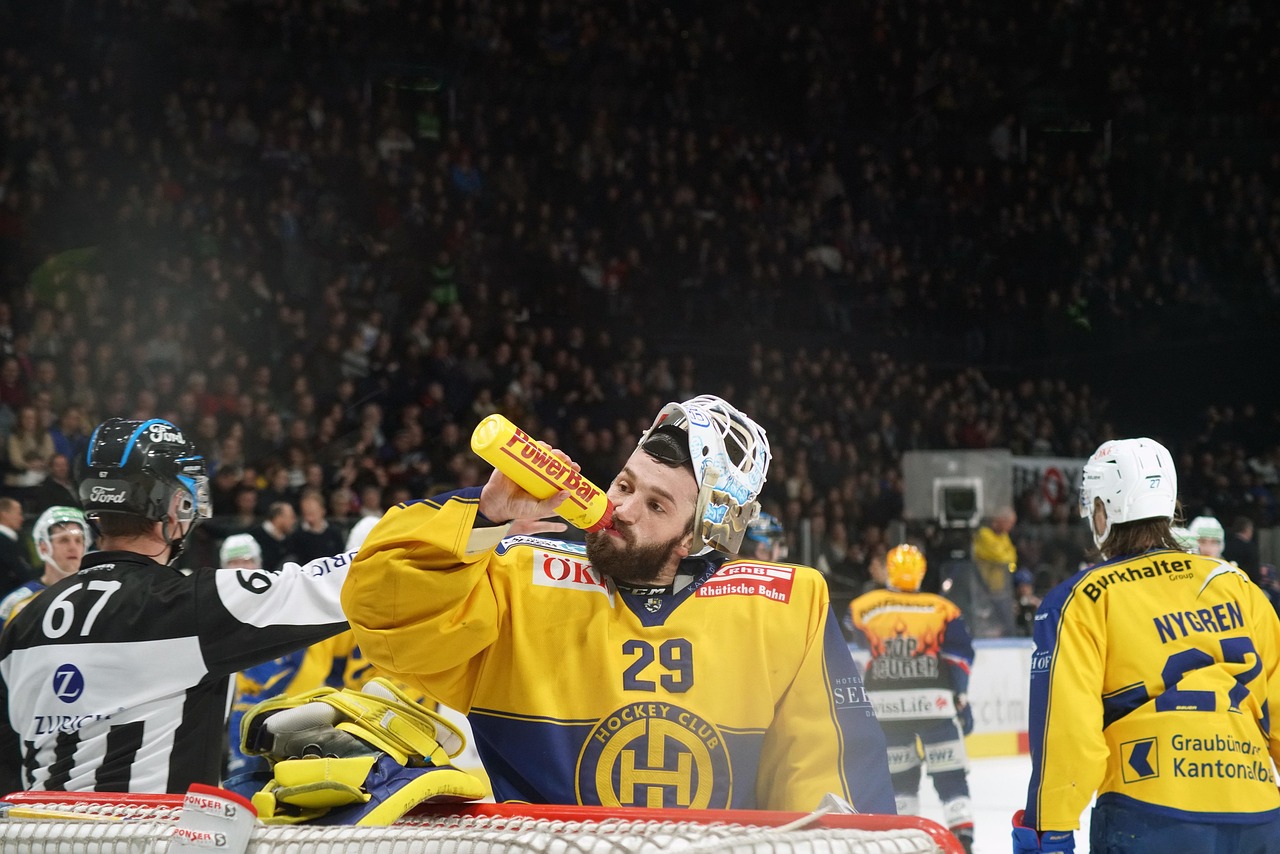
Hockey is a game of strategy, requiring teams to work together seamlessly while adhering to different formations. Understanding these formations is crucial for both players and fans alike. From the classic 1-2-2 to more aggressive setups, formations influence how teams transition between offense and defense, creating a dynamic and engaging experience on the ice.
Article Summary
The various hockey formations we discuss encompass strategic alignments that shape gameplay, including offensive structures like the 1-2-2 and defensive systems such as the collapse and box formations. Each setup offers unique advantages and influences team dynamics during play, thus enhancing your appreciation for the sport.
Common Offensive Formations
The offensive formation is essential for controlling the game. By deploying various strategies, teams can maximize their scoring opportunities while maintaining puck possession. Here are some of the most prevalent offensive formations in hockey:
The 1-2-2 Formation
The 1-2-2 formation is one of the most commonly used setups in modern hockey. It consists of one forward deep in the opponent’s zone, followed by two forwards positioned in the middle of the ice, and two defensemen closer to their own blue line. This layout encourages puck movement, allowing for quick transitions and creating opportunities for passing plays.
The advantages of the 1-2-2 include:
As we employ this formation, we can also aim to stretch the opponent’s defense, leading to one-on-one scenarios that are advantageous for us.
The 2-1-2 Formation
The 2-1-2 formation places two forwards high in the opponent’s zone and one forward deep. This method allows us to maintain a strong forecheck, pressuring defenders and creating turnovers. By focusing on high-pressure tactics, we can increase the chances of scoring through quick recoveries of the puck.
One key feature of the 2-1-2 is its emphasis on the transition game. When we regain possession, this structure readily adapts to counterattacks, making it difficult for the opposing team to establish rhythm.
Common Defensive Formations
While offensive formations focus on scoring, defensive setups are designed to minimize the effectiveness of the opponents’ attacks. Here’s a closer look at some widely-used defensive formations:
The Collapse Formation
The collapse formation is characterized by players converging around the net, creating a dense wall of defense. Typically, we see this strategy employed when the opposing team presses for a goal late in a game.
This formation has its benefits:
However, the collapse also requires communication and discipline from all players, as leaving a forward unchecked could lead to a scoring chance.
The Box Formation
The box formation involves our two defensemen and two forwards creating a square around the net, effectively covering high stabs and limiting rebounds. This setup is particularly effective against teams using a lot of lateral passing or for those looking to capitalize on screens.
While it may seem passive, the box encourages players to anticipate passes and intercept pucks, thus promoting a proactive rather than reactive style of play.
Hybrid Formations and Situational Strategies
Beyond the standard offensive and defensive formations, hybrid strategies have emerged, blending elements from both styles for improved effectiveness. Coaches often implement these hybrid models to adapt to specific game situations or opponent tendencies.
Power Plays and Penalty Kill Strategies
In power play situations, teams may adopt formations like the umbrella or overload, capitalizing on their numerical advantage. The umbrella formation spreads players out, allowing for quick passing and shooting lanes, while the overload concentrates players on one side to confuse the defense.
Conversely, during penalty kills, teams might switch to a tighter box or diamond formation, aiming to keep opposing players to the outside and limiting high-danger scoring chances.
Regardless of the formation deployed, it is essential to recognize the versatility and adaptability required in hockey formations. Mastering the nuances behind these setups can significantly elevate our understanding and enjoyment of the sport.
Conclusion
In summary, familiarizing ourselves with the most common hockey formations greatly enriches our appreciation of the game. Each formation serves a specific purpose, influencing how teams play offensively and defensively. As players, coaches, and fans, grasping the intricacies behind these formations not only enhances our knowledge but also deepens our passion for hockey. Whether you prefer the strategic complexity of a 1-2-2 or the robust defensive stance of a box formation, understanding how and why these strategies work can elevate our overall experience with the sport.