
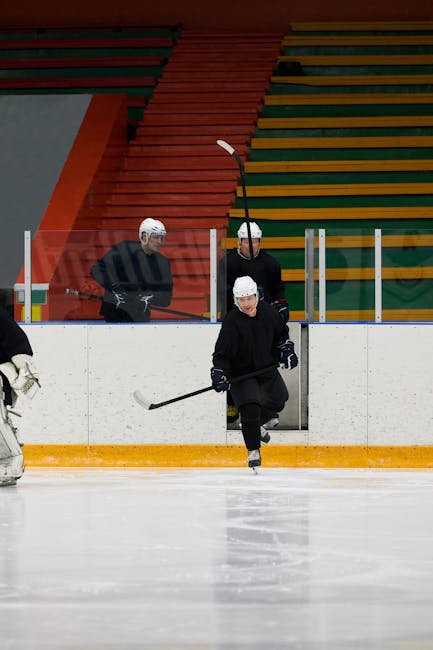
After an intense hockey game or a grueling training session, our bodies demand a concerted effort to recuperate and restore. Whether you’re a seasoned player or just starting, understanding how to enhance your recovery is essential for maintaining peak performance. In this article, we will delve into effective strategies to promote quicker recovery after hockey activities, so we can be ready for the next challenge.
Article Summary
To recover faster after a hockey game or training session, we need to focus on proper hydration, nutrition, and rest. Incorporating stretching techniques and active recovery can significantly improve our body’s ability to bounce back, allowing us to perform better in future games or practices.
Hydration is Key
We all understand that staying hydrated is crucial, but the importance of water intake cannot be overstated. Our bodies lose a substantial amount of fluids during intense physical exertion, especially in hockey, where sweat can pour off us in waves. Rehydrating effectively post-game or training is not just about quenching thirst; it’s about restoring electrolytes and facilitating optimal bodily function.
Post-Game Hydration Strategies
To optimize our recovery, we should consider implementing the following strategies:
By strategically managing our hydration, we can help prevent fatigue and enhance recovery time.
Nourishment for Recovery
In addition to staying hydrated, proper nutrition plays an essential role in recovery. After a demanding match or practice, our bodies require the right nutrients to repair tissues and replenish glycogen stores.
What to Eat After Playing
In the hour following our hockey game, we should target foods that provide both carbohydrates and protein. Here are some recommendations:
Combining these elements helps restore energy balance and supports muscle repair, which is crucial for our recovery process.
The Importance of Rest
Rest might seem like a passive part of recovery, but it is fundamentally important. Sleep allows our bodies to repair tissues and supports cognitive function, enabling us to retain crucial game strategies and improve our performance.
Tips for Better Sleep
To maximize our recovery, we should focus on enhancing our sleep quality. Here are some tips to consider:
A well-rested body not only heals better but also performs better on the ice.
Active Recovery Techniques
While resting is crucial, incorporating active recovery techniques can facilitate faster healing. Engaging in low-intensity activities on non-training days helps maintain blood circulation, which is vital for muscle recovery.
Activities to Promote Active Recovery
Here are a few effective active recovery options:
Each of these activities provides benefits that can significantly speed up our recovery process.
The Role of Stretching
Another crucial aspect of recovery is stretching. Properly stretching before and after games not only enhances flexibility but also reduces the risk of injury.
Effective Stretching Practices
We should incorporate dynamic stretches during warm-ups and static stretches during cool-downs. Some effective stretches include:
By being diligent in our stretching routines, we can significantly reduce muscle tightness and promote faster recovery.
Listening to Our Bodies
Lastly, perhaps the most vital aspect of recovery is learning to listen to our bodies. Each individual’s recovery needs can differ significantly.
Recognizing Signs of Overtraining
It’s essential for us to watch for signs of overtraining, including persistent fatigue, decreased performance, and increased irritability. If we experience these symptoms, it may be time to reconsider our training intensity and prioritize recovery.
Conclusion
In conclusion, recovering faster after a hockey game or training session is achievable through a combination of proper hydration, nutrition, rest, active recovery, stretching, and self-awareness. By implementing these strategies, we can enhance our recovery process, ensuring we’ve got the energy and stamina for our next game. Remember, it’s not just about playing hard; it’s about recovering smart.