
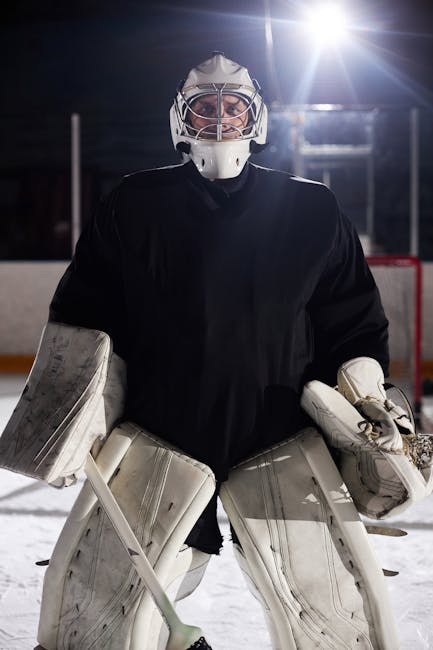
Hockey demands not just skill and strategy, but also explosive strength and agility. To excel on the ice, players must develop their power and quickness, essential attributes for those split-second decisions and powerful shots. A training regimen incorporating plyometric exercises can significantly enhance these qualities, which ultimately leads to improved performance during games. But what exactly are the best plyometric exercises for hockey players?
Article Summary
The best plyometric exercises for hockey players include box jumps, depth jumps, and lateral bounds, as they enhance explosive strength and agility. Incorporating these exercises into your training routine can lead to significant improvements in your performance on the ice, allowing you to skate faster, shoot harder, and react more swiftly.
Understanding Plyometrics
Plyometric exercises are high-impact movements that aim to develop muscle power and reaction time. These exercises involve a rapid stretch of the muscles followed immediately by a contraction, promoting both strength and speed. For hockey players, this is particularly beneficial, as the game requires frequent bursts of speed, precise footwork, and explosive movements.
To better understand the significance of plyometrics in hockey, we must consider the physical demands of the sport. Whether it’s accelerating towards the puck or positioning oneself for a shot, the need for power is constant. Thus, we see why integrating plyometric training into our routines can lead to noticeable enhancements in our overall game.
The Top Plyometric Exercises for Hockey Players
Now, let’s delve into some of the most effective plyometric exercises that can elevate your performance on the ice.
Box Jumps
Box jumps are a classic plyometric exercise that enhances leg strength and explosive power. They target the quadriceps, hamstrings, and glutes, which are crucial for skating speed.
How to Perform Box Jumps:
- Stand in front of a sturdy box or platform.
- With feet shoulder-width apart, engage your core.
- Bend your knees slightly and explode upward, landing softly on the box.
- Step down and repeat for several repetitions.
We recommend starting with lower boxes and gradually increasing the height as your confidence and strength grow. This exercise not only boosts power but also improves your balance and coordination, essential skills for navigating the icy terrain.
Depth Jumps
Depth jumps are another fantastic plyometric drill that improves reactive strength, allowing for quicker movements on the ice.
Steps to Execute Depth Jumps:
- Stand on a box or platform about 12-24 inches high.
- Step off the box and land softly on the ground.
- As soon as you hit the ground, explode upwards or forward into a vertical jump or forward jump.
This exercise emphasizes the stretch-shortening cycle, which trains muscles to fire quickly and efficiently. Hockey players will find that this directly translates to faster skating speeds and quicker directional changes.
Lateral Bounds
Lateral bounds focus on side-to-side movement, which reflects the skating motion required in hockey. This exercise strengthens the adductors and improves balance, critical for change-of-direction maneuvers.
Performing Lateral Bounds:
- Stand on one leg with a slight bend in the knee.
- Jump sideways to land on the opposite leg, aiming for distance.
- As you land, absorb the impact and push off to return to the starting leg.
Incorporating lateral bounds into your training routine can significantly boost your agility, allowing you to maneuver around opponents more effectively.
Incorporating Plyometrics into Your Training Routine
The key to successful plyometric training is consistency and integration. We can follow a structured program that combines these exercises with our regular workouts. Aim for 1-2 plyometric sessions per week, allowing time for recovery.
Sample Plyometric Workout:
- Warm-up: 10-15 minutes of dynamic stretches
- Box Jumps: 3 sets of 6-8 reps
- Depth Jumps: 3 sets of 6-8 reps
- Lateral Bounds: 3 sets of 8-10 reps per side
- Cool down: Stretching for 5-10 minutes
As we undertake this plyometric workout, it’s crucial to maintain proper form to prevent injury. We should focus on landing softly and with control, using our muscles to absorb impact rather than locking our joints.
Conclusion
In summary, plyometric exercises provide hockey players with the explosive power and agility necessary for high-level performance. By incorporating exercises like box jumps, depth jumps, and lateral bounds into our training regimens, we can unlock our potential on the ice and elevate our game. Remember, consistency is key, and with dedication, we will witness improvements in our speed, power, and overall effectiveness during games. Incorporate these exercises, and let them become an integral part of your training journey.